You’ve found the perfect boat. The seller says it’s in great shape. The price seems fair. Everything looks good from the dock but looks can be deceiving.
At Marine Surveys of North Carolina, we’ve inspected hundreds of vessels across the Carolina coast, from New Bern to Wilmington to the Outer Banks. And here’s what we’ve learned: the most expensive problems are the ones you can’t see.
Whether you’re buying your first family cruiser or upgrading to that dream yacht, a comprehensive pre-purchase boat survey uncovers hidden issues that could cost you thousands or worse, put your safety at risk. Our certified team doesn’t just perform casual walkthroughs. We dig deep, using advanced tools and decades of experience to reveal what’s really beneath the surface.
Let’s explore the top seven hidden issues we consistently find during pre-purchase boat inspections in North Carolina and why investing in a professional survey protects your investment before it’s too late.
1. Structural Damage Beneath the Surface
The North Carolina coast is beautiful but it’s tough on boats. Rough waters, shallow sandbars, hurricane exposure, and grounding incidents leave their mark, even when the damage isn’t immediately visible.
What we look for:
- Hull delamination or blistering in fiberglass layers
- Cracks near stringers, bulkheads, or transom joints
- Hidden collision or grounding damage below the waterline
- Soft spots that indicate compromised structural integrity
During our pre-purchase boat inspection in North Carolina, we use moisture meters and percussion testing to detect weaknesses that casual inspections miss. Structural damage can severely compromise your vessel’s seaworthiness and repair costs can run into the tens of thousands.
Real-world example: We once surveyed a 35-foot cruiser that looked pristine topside. Our percussion testing revealed significant transom delamination from years of water intrusion. The buyer negotiated $12,000 off the asking price based on our findings.
Don’t assume a clean exterior means a solid structure. Let us verify the integrity before you buy.
2. Electrical Hazards and Corrosion
Saltwater and marine air are relentless enemies of electrical systems. Even newer boats can harbor dangerous wiring issues or outdated practices that don’t meet ABYC (American Boat and Yacht Council) standards.
Common electrical problems we identify:
- Improperly grounded circuits causing galvanic corrosion
- Overloaded panels or undersized wiring
- Battery isolation failures and faulty bonding systems
- Corroded terminals and connections hidden behind panels
These issues aren’t just inconvenient they’re fire hazards. Electrical failures can lead to onboard fires, equipment failure, or complete system shutdowns when you’re miles offshore.
Our thorough electrical system evaluation examines wiring, breaker panels, batteries, and grounding to ensure everything is safe, compliant, and functional. Because when you’re on the water, reliability isn’t optional.
3. Hidden Engine Problems
The engine is the heart of your vessel and one of the most expensive components to repair or replace. A smooth-running engine at the dock doesn’t tell the whole story.
Typical hidden engine issues we uncover:
- Worn impellers or failing fuel injectors
- Excessive exhaust smoke from incomplete combustion
- Leaking gaskets or cooling system failures
- Hidden corrosion inside exhaust manifolds and risers
- Engine mount degradation causing misalignment
At Marine Surveys of North Carolina, our mechanical and electrical systems inspection includes visual examination, operational testing, and when applicable trials. Real-world performance testing reveals problems that static inspections miss, like overheating under load, poor throttle response, or vibration issues.
Pro tip: We recommend oil analysis for older engines or boats with unknown maintenance history. It’s a small investment that can reveal internal engine wear before catastrophic failure occurs.
4. Water Intrusion and Moisture Traps
Water intrusion is the silent killer of boats. It weakens structural components, fuels mold growth, damages electrical systems, and accelerates corrosion while remaining invisible to the untrained eye.
High-risk areas we inspect:
- Deck fittings, cleats, and hatches
- Windows, ports, and chainplates
- The transom and bilge areas
- Core materials in decks and hulls
Using moisture meters and infrared scanners, we pinpoint waterlogged areas before they lead to rot, delamination, or costly structural repairs. Water intrusion often starts smaller loose fitting here, a compromised seal there but compounds over time into major damage.
Why it matters: A client once asked us to survey a well-maintained looking sailboat. Our moisture detection revealed extensive water intrusion around the chainplates and in the deck core. Repair estimates exceeded $15,000. The seller had no idea.
Don’t let hidden moisture destroy your investment. Our inspection uncovers the truth.
5. Previous Hull Modifications and Undisclosed Repairs
Many used boats along the NC coast have undergone repairs or modifications, not all of them professional, and not all of them disclosed.
What we investigate:
- Unreported hull repairs using substandard materials
- Poor fairing work hidden under fresh paint or gelcoat
- Altered through-hull fittings or structural reinforcements
- Non-factory modifications that compromise safety or performance
Identifying previous work helps you understand whether the vessel meets ABYC and U.S. Coast Guard safety standards. It also protects you from future insurance complications or resale issues.
Red flag example: We surveyed a fishing boat with “minor cosmetic work” according to the seller. Our inspection revealed major fiberglass repairs covering extensive damage from a previous collision. The work was amateur-level and structurally unsound. The buyer walked away saving himself from a liability nightmare.
Transparency matters. We document everything so you buy with full knowledge of the vessel’s history.
6. Submerged Object Damage to Running Gear
North Carolina’s coastal waters hide hazards, floating logs, debris, shallow sandbars, and submerged objects. Even a minor impact can damage propellers, shafts, rudders, or bearings.
What we examine:
- Propeller blades for distortion, nicks, or bending
- Shaft alignment and bearing wear
- Rudder posts and seals for cracks or damage
- Strut and cutlass bearing condition
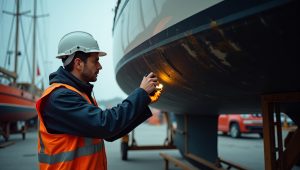
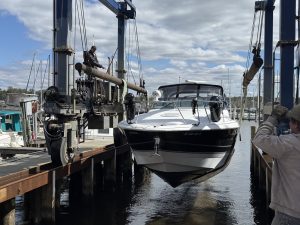
Submerged object damage is often invisible without a haul-out inspection. But the consequences aren’t minorbent shafts cause vibration, worn bearings lead to failure, and damaged rudders compromise handling.
During our inspections, we conduct thorough below-waterline examinations to catch these issues before they become expensive surprises. Because you shouldn’t discover a bent prop shaft during your first sea trial as the new owner.
7. Hidden Moisture in Foam and Core Materials
Modern boats use foam or balsa core materials in decks, stringers, and transoms to reduce weight and increase strength. But when water infiltrates these areas, the results are catastrophic: core rot, foam saturation, added weight, and reduced buoyancy.
Critical areas we inspect:
- Deck cores around fittings and hatches
- Stringers and structural supports
- Transom cores (especially critical for outboard-powered boats)
Our advanced moisture-detection tools uncover hidden damage that compromises structural integrity. Core rot is expensive to repair, often requiring entire sections to be removed, dried, and reconstructed.
Case study: We surveyed a 28-foot center console with a “solid” transom according to the seller. Our moisture readings told a different story/saturation throughout the core from improper through-hull installations. Repair estimate: $8,500. The buyer used our findings to renegotiate the price and budget for proper repairs.
Detecting and documenting these problems early saves thousands in future repairs and gives you powerful negotiating leverage.
Why Choose Marine Surveys of North Carolina?
When it comes to protecting your investment, experience and credentials matter. Here’s why North Carolina boat buyers trust us:
Certified & Experienced Surveyors trained in all vessel types from powerboats to sailboats and yachts
Unbiased, Transparent Reporting we work solely for you, not the seller or broker
Advanced Inspection Toolsmoisture meters, infrared scanners, percussion testing, and more
Localized Expertisedeep knowledge of regional issues like brackish water damage and hurricane wear
Fast Turnaround detailed reports delivered promptly so you can make informed decisions
Personalized Service one-on-one consultations to understand your needs and concerns
We’re not just inspectors, we’re your advocates. Our goal is to give you complete peace of mind before you buy.
What Happens After Your Pre-Purchase Boat Survey?
After your inspection, you’ll receive a comprehensive survey report detailing:
- Vessel condition with supporting photos
- Identified issues with severity ratings
- Repair estimates and recommendations
- Current market valuation
- Safety and compliance notes
You can use this report to:
- Negotiate a fair purchase price
- Request repairs or price reductions
- Plan future maintenance
- Secure insurance coverage and financing
And we don’t just hand you a report and disappear. We offer one-on-one consultations to walk through findings, answer questions, and help you make the smartest decision for your boating goals.
Schedule Your Pre-Purchase Boat Survey Today
Don’t take chances when investing in your next vessel. Whether you’re buying locally or bringing a boat into North Carolina, our certified experts provide thorough, unbiased inspections that reveal the full story behind the hull.
Sail Away with Confidence
A pre-purchase boat survey isn’t just a formality it’s your best protection against costly surprises. From structural damage to hidden engine problems, the North Carolina coast presents unique challenges that only a certified marine surveyor can identify.
At Marine Surveys of North Carolina, we combine advanced tools, decades of experience, and local expertise to give you the complete picture. Because peace of mind on the water starts with knowing what’s below the surface.
Frequently Asked Questions
How much does a pre-purchase marine survey cost in North Carolina?
Costs typically range from $20–$25 per foot, depending on vessel size, age, and complexity. Additional services like haul-outs or advanced engine diagnostics may cost extra. We provide clear, upfront pricing before we begin.
How long does a pre-purchase boat survey take?
A standard inspection takes 4–8 hours, depending on the vessel. Larger yachts or commercial vessels may require more time. We’ll give you a timeline estimate when you schedule.
Are your survey reports accepted by insurers and lenders?
Absolutely. Our reports meet industry standards and are widely accepted by banks, insurance companies, and maritime authorities across North Carolina.
Can I attend the boat survey?
Yes and we encourage it! Being present during the inspection lets you see issues firsthand, ask questions in real time, and gain valuable insight into your potential purchase.
What's the difference between a marine inspection and a survey?
A marine inspection may focus on specific systems (like engines or electronics), while a comprehensive survey provides a full evaluation of the vessel’s structure, systems, safety equipment, and seaworthiness.
Do you offer engine or outboard diagnostics as part of the survey?
Yes. Our mechanical inspection covers engine condition, performance, and operational testing. For advanced diagnostics like compression testing or oil analysis, we can coordinate specialized services.
What happens if problems are found during the inspection?
We document everything clearly in your report with photos and repair recommendations. You can then use these findings to negotiate price, request repairs, or make an informed decision about whether to proceed with the purchase.