Why Your Vessel Investment Depends on the Right Surveyor
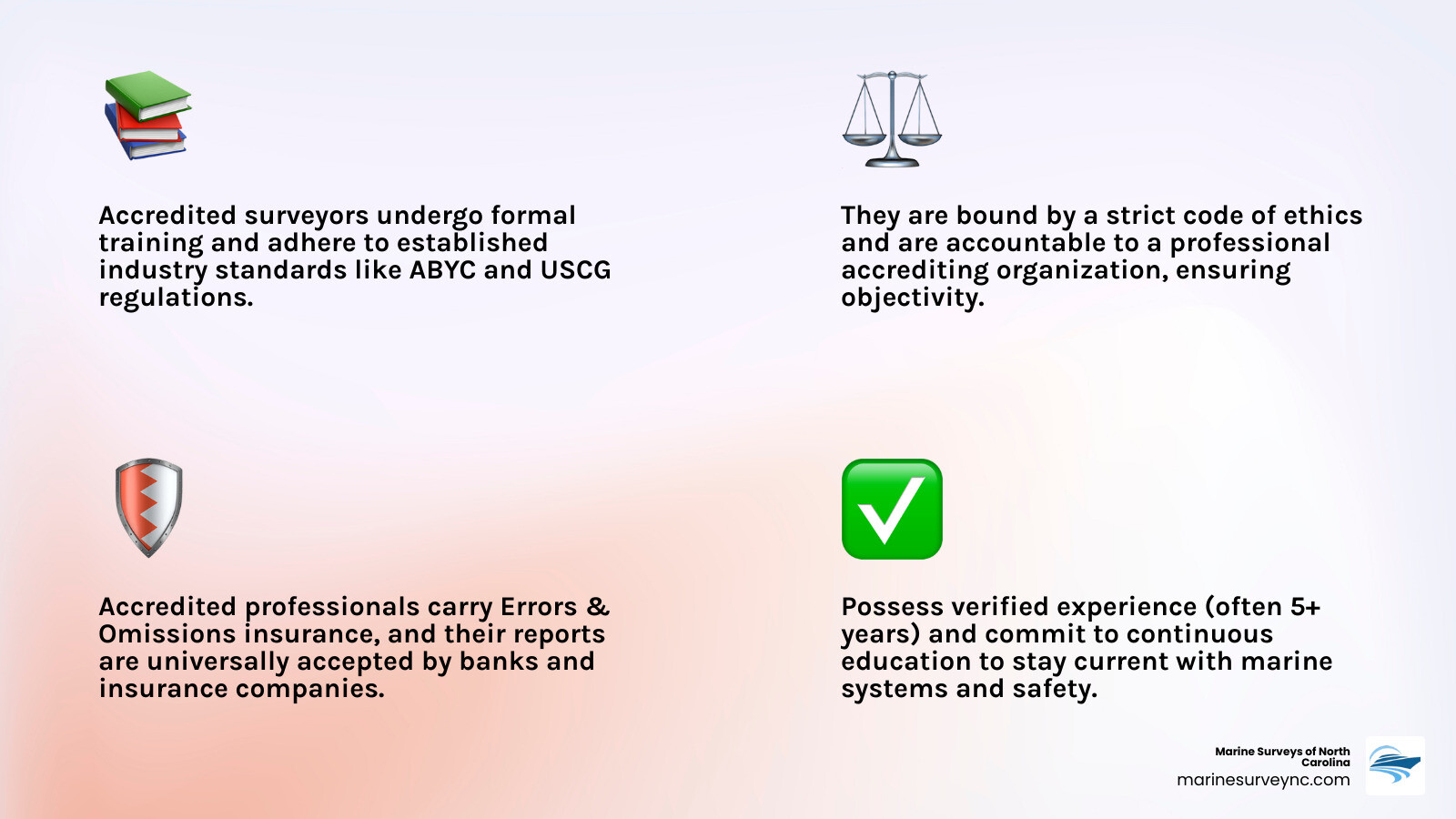
An professional marine surveyor is a marine professional who holds verified credentials from a recognized certifying body (such as SAMS®, IIMS, or CACMS), has documented experience in vessel inspection, adheres to industry standards like ABYC and USCG regulations, and operates under a professional code of ethics. Here’s what distinguishes them:
Key Qualifications of a Professional Marine Surveyor:
- Minimum 5 years of active surveying experience (often more)
- Formal training from institutions like Chapman School of Seamanship
- Continuing education in marine systems, safety standards, and inspection methods
- Adherence to standards (ABYC, NFPA, USCG)
- Professional accountability to an certifying organization
- Errors & omissions insurance coverage
- Reports accepted by insurance companies and financial institutions
Anyone can call themselves a marine surveyor. There is no government license required, no mandatory training, and no enforcement of standards for the title itself. This creates a significant problem for vessel buyers, insurers, and lenders who need an objective, thorough assessment before committing to a purchase or policy.
A marine survey is often the last opportunity to identify costly issues before a transaction becomes permanent. The difference between an certified professional and an unqualified individual can mean the difference between uncovering a hidden structural defect and inheriting a six-figure liability.
The research is clear: organizations like the Society of Professional Marine Surveyors (SAMS®) require at least five years of surveying experience for their Professional Marine Surveyor (AMS®) designation, rigorous report reviews, and ongoing education. The International Institute of Marine Surveying (IIMS) and the Canadian Association of Certified Marine Surveyors (CACMS) maintain similar standards. These are not casual credentials—they represent a vetted, accountable professional.
Why this matters for serious buyers:
- professional surveyors follow established standards (ABYC, NFPA, USCG)
- Their reports are accepted by insurers and banks
- They carry professional liability insurance
- They are bound by a code of ethics
- They undergo continuing education to stay current
Without certification, you are relying on someone’s word. With it, you are hiring a professional held to measurable standards.
This guide will walk you through what certification means, how to identify a qualified surveyor, the types of surveys they perform, and what a credible report should contain. You will also learn how to prepare for a survey and what questions to ask before hiring.
I’m Andrew Gallant, a Surveyor Associate with SAMS® and the principal surveyor at Marine Surveys of North Carolina, where I conduct pre-purchase, insurance, and damage surveys across the state’s waterways. As an professional marine surveyor, I hold multiple ABYC certifications and apply rigorous inspection standards to every vessel I evaluate, ensuring clients receive thorough, unbiased reports that protect their investments.
Understanding the “certified” Designation: More Than Just a Title
The term “professional marine surveyor” signifies a professional who has voluntarily submitted to a rigorous vetting process by a recognized professional organization. This process ensures they possess not only the theoretical knowledge but also the practical experience and ethical commitment required to perform comprehensive vessel inspections. For serious buyers and insurers in North Carolina, this distinction is paramount.
What is a Professional Marine Surveyor?
An professional marine surveyor is a professional marine expert whose qualifications, experience, and ethical conduct have been reviewed and approved by a reputable industry body. This professional designation is not a government license but rather an industry-recognized stamp of approval. It signifies that the individual has demonstrated verified experience, adheres to established industry standards, commits to ongoing continuing education, and is accountable to a professional organization.
Their primary responsibilities include a meticulous assessment of a vessel’s condition, determining its fair market value, verifying compliance with safety regulations, and mitigating risks for both insurance underwriters and prospective buyers. Crucially, the surveyor works solely for the client who retains them, providing an unbiased report that serves the client’s best interests. This means the report is delivered only to you, the client, ensuring confidentiality and objectivity.
Why the Distinction is Crucial for Your Investment
When you are considering a significant investment in a vessel, whether it’s a yacht in Wilmington or a powerboat on Lake Norman, the distinction of an professional marine surveyor is not merely a formality—it is a critical safeguard. Our services are designed to protect your interests by:
- Protecting the Buyer: An professional surveyor uncovers potential issues that could lead to costly repairs or safety hazards down the line. Our detailed pre-purchase surveys, for instance, are comprehensive, aiming to identify hidden problems. We often find issues such as those highlighted in our article on Top 7 Hidden Issues Found in Pre-Purchase Surveys on NC Coast.
- Satisfying Insurance Underwriters: Most insurance companies and banks require a professional survey, especially for older vessels, to assess their condition and fair market value. An professional surveyor’s report is recognized and accepted by these institutions, facilitating insurance coverage and financing.
- Securing Financing: Lenders rely on accurate valuations and condition assessments to approve loans. Our reports provide the credible documentation needed for securing appropriate financing.
- Ensuring Vessel Safety: The most important reason to have a vessel surveyed is for the safety of its passengers and crew. An professional surveyor carefully checks structural integrity, systems, and safety equipment against recognized standards.
- Avoiding Costly Post-Purchase Surprises: By identifying defects before purchase, you gain leverage for negotiation or the opportunity to walk away from a problematic vessel, saving you from significant financial burdens later.
The difference in expertise and accountability means the peace of mind that comes from knowing your investment has been thoroughly vetted by a qualified professional.
The Path to certification: Vetting the Experts
The journey to becoming an professional marine surveyor is not an easy one. It involves years of practical experience, formal education, adherence to strict ethical codes, and continuous professional development. This rigorous process is what allows us to offer our clients the highest level of service and ensures that we, as professionals, are held to the highest industry standards. It is a system of professional self-regulation designed to protect you, the consumer, from unqualified individuals.
Key certifying organizations and Their Standards
Several prominent organizations play a pivotal role in certifying and certifying marine surveyors globally and within North America. These bodies establish the benchmarks for professionalism, experience, and ethical conduct.
- The Society of Professional Marine Surveyors (SAMS®): SAMS® is a leading professional organization for marine surveyors, with around 1,000 members in over 100 countries. It was established in the 1980s by a group of professionals seeking to lift their craft. SAMS® has different membership tiers, with the Professional Marine Surveyor (AMS®) designation requiring at least five years of current surveying experience within the last ten years. This includes submitting survey reports for review and passing a written exam. Surveyor Associates (SA), like myself, are professionals working towards full certification, having met initial requirements and committed to continuing education.
- The International Institute of Marine Surveying (IIMS): IIMS is another leading worldwide professional body, with a global membership similar in size to SAMS®. Headquartered in the UK, IIMS offers professional qualifications in Yacht & Small Craft and Commercial Ship marine surveying, often through distance learning. They also provide extensive educational resources and publications.
- The Canadian Association of Certified Marine Surveyors (CACMS): While primarily focused on Canada, CACMS shares similar principles of rigorous certification. They have two levels of membership: Certified Master Marine Surveyors and Associate Surveyors. Certified Master Marine Surveyors are full-time professionals with over five years of experience, demonstrating their knowledge through submitted survey reports and interviews.
These organizations enforce strict standards, ensuring that their members are continuously learning and adhering to best practices. Their role extends to professional development, with events like SAMS®’s annual International Meeting & Educational Conference (IMEC) covering topics such as standards, recommended practices, and advanced inspection methods.
Qualifications of a Professional Marine Surveyor
Beyond organizational affiliation, a truly qualified professional marine surveyor possesses a combination of extensive experience, specialized training, and a commitment to ongoing learning. For our team at Marine Surveys of North Carolina, our qualifications reflect this comprehensive approach.
- Minimum Years of Experience: As noted, reputable organizations like SAMS® require a minimum of five years of active surveying experience for full certification. This ensures a deep understanding of vessel types, systems, and common failure points. For instance, Michael Andrews, a Professional Marine Surveyor® with SAMS® and a seasoned professional, boasts over 20 years of surveying experience and 40 years in the broader marine industry. This hands-on experience is invaluable.
- Hands-on Marine Industry Background: Many professional surveyors bring years of practical experience from other marine sectors, such as boat building, vessel operation (e.g., holding a USCG Masters License), commercial diving, or repair. This diverse background provides a holistic understanding of how vessels are constructed, operated, and maintained. Our team’s About page details the extensive practical experience that complements our formal surveying credentials.
- Formal Training: While not always mandatory for the title, formal training from institutions like Chapman School of Seamanship is highly regarded and often undertaken by certified professionals to refine their skills and knowledge.
- Continuing Education Points: The marine industry is constantly evolving with new technologies and regulations. professional marine surveyors are required to complete continuing education to maintain their credentials. This includes certifications from bodies like the American Boat and Yacht Council (ABYC), which develops safety standards for boat design, construction, and repair. Being ABYC certified means we are proficient in the most current safety and technical standards for marine systems.
- Code of Ethics Adherence: Every professional marine surveyor is bound by a strict code of ethics, ensuring objectivity, integrity, and client confidentiality. This ethical framework is a cornerstone of our profession and crucial for maintaining trust.
This combination of experience, education, and ethical commitment ensures that when you hire an professional marine surveyor from our team, you are engaging a professional who can provide a truly reliable assessment of your vessel.
Types of Marine Surveys an Certified Professional Performs
The specific type of marine survey you need depends entirely on your objective. Each survey has a distinct scope, methodology, and focus, custom to its purpose. As professional marine surveyors in North Carolina, we clearly define the objectives and limitations of each type to ensure your needs are precisely met.

Pre-Purchase Condition & Valuation (C&V) Survey
This is arguably the most comprehensive type of inspection and is highly recommended for anyone considering purchasing a vessel. Its purpose is to provide a prospective buyer with a detailed assessment of the vessel’s overall condition and fair market value.
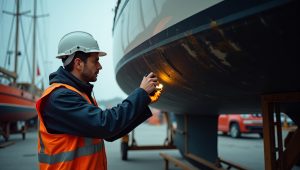
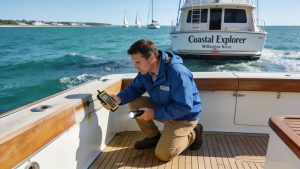
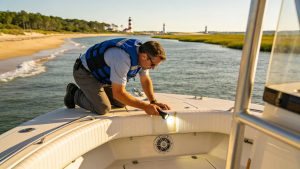
- Comprehensive Inspection: Our pre-purchase surveys carefully examine the vessel’s hull and structure, including the bottom, topsides, deck, and interior. We inspect all accessible areas, including the Engine Systems Review, electrical and plumbing systems, fuel system, steering, navigation equipment, and safety gear.
- Sea Trial: A sea trial is typically included to assess the vessel’s operational performance, including engine function under load, steering, and navigation systems in real-world conditions.
- Fair Market Value Assessment: Beyond identifying defects, we provide an unbiased opinion of the vessel’s fair market value, which is crucial for negotiation and financing.
- Detailed Reporting: Our reports detail all findings, including deficiencies, recommendations for repairs, and an overall assessment of the vessel’s condition. For more details on what’s involved, please visit our Pre-Purchase Marine Survey page.
Insurance Survey
Insurance companies often require a survey to assess the risk associated with insuring a vessel, especially older ones. This survey focuses on the vessel’s structural integrity, safety equipment, and seaworthiness for its intended use.
- Risk Assessment: The primary goal is to identify potential hazards that could lead to claims. This includes evaluating the vessel’s general condition, major systems, and compliance with safety regulations.
- Focus on Safety and Structure: While thorough, an insurance survey is generally less detailed than a pre-purchase survey. It concentrates on aspects critical to safe operation and the likelihood of a loss, such as hull integrity, fire suppression systems, and proper functioning of essential systems.
- Underwriter Requirements: We ensure our insurance survey reports meet the specific requirements of insurance underwriters, facilitating your policy acquisition or renewal. You can learn more on our Insurance Survey page.
Damage and Appraisal Surveys
These surveys are conducted for specific purposes, often after an incident or for valuation purposes outside of a purchase.
- Damage Surveys: When a vessel sustains damage, a damage survey determines the cause and extent of the loss. This is critical for insurance claims, helping to identify necessary repairs and estimate costs. Our Damage Surveys service provides the detailed assessment needed for claims and legal cases. We act as an unbiased third party, providing factual findings.
- Appraisal Surveys: These surveys are conducted to determine a vessel’s fair market value for various purposes, such as financing, estate settlements, donations, or legal proceedings. They provide an objective valuation based on current market conditions and the vessel’s condition.
Each type of survey is performed with the same level of professionalism and adherence to standards, ensuring you receive accurate and reliable information for your specific needs.
The Anatomy of a Credible Survey Report
A survey report from an professional marine surveyor is far more than a simple checklist; it is a meticulous, objective document that provides a comprehensive and defensible assessment of a vessel. This report is the tangible output of our expertise, designed to inform your critical decisions. For serious buyers, insurers, and lenders, the quality and detail of this report are paramount.
What Sets an Certified Report Apart
The reports we generate at Marine Surveys of North Carolina are distinguished by several key characteristics, reflecting our commitment as professional marine surveyors:
- Based on Established Standards: Our reports consistently reference and adhere to recognized industry standards, including those from the American Boat and Yacht Council (ABYC) and U.S. Coast Guard (USCG) regulations. For vessels in North Carolina, these standards are crucial for safety and compliance. We also draw upon best practices from organizations like NFPA (National Fire Protection Association) where relevant.
- Detailed Findings and Recommendations: We provide comprehensive findings on all inspected systems and components. Crucially, these findings are accompanied by clear, actionable recommendations for addressing deficiencies. These recommendations are prioritized, helping you understand which issues require immediate attention for safety or compliance, and which are maintenance-related.
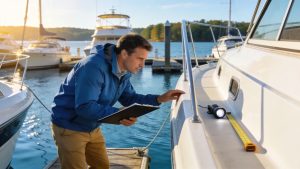
- Photographic Evidence: Our reports are heavily supported by high-quality photographic evidence. Pictures document both satisfactory conditions and identified deficiencies, providing undeniable proof and context for our written descriptions.
- Unbiased Valuation: For pre-purchase and appraisal surveys, our reports include an unbiased opinion of the vessel’s fair market value. This valuation is based on our extensive experience, current market data, and the vessel’s condition, making it a reliable figure for transactions or insurance purposes.
- Accepted by Banks and Insurers: Due to their adherence to professional standards and the credibility of the professional marine surveyor who produces them, our reports are widely accepted by financial institutions and insurance companies in North Carolina and beyond. This acceptance is vital for securing financing and obtaining insurance coverage.
The Role of Standards and Ethics
The foundation of a credible survey report lies in the strict adherence to industry standards and an unwavering commitment to ethical conduct.
- ABYC (American Boat and Yacht Council): ABYC standards are the benchmark for safe boat design, construction, maintenance, and repair in the United States. As ABYC-certified professionals, we apply these standards rigorously during our inspections, ensuring that components like electrical systems, fuel systems, and ventilation meet the highest safety requirements. This commitment to ABYC standards helps mitigate risks and ensures the vessel is safe for operation.
- USCG Regulations: For certain commercial vessels or specific safety aspects, U.S. Coast Guard regulations provide mandatory requirements. Our surveys ensure compliance with these critical government mandates where applicable.
- Ethical Codes of Conduct: As professional marine surveyors and members of organizations like SAMS®, we operate under a strict code of ethics. This code mandates objectivity, integrity, and confidentiality. Our duty is solely to the client who retains us, ensuring that our findings are unbiased and our recommendations are based purely on the vessel’s condition and relevant standards. This ethical framework prevents conflicts of interest and guarantees that our reports are trustworthy. For instance, the importance of maintaining proper Ship fire safety systems are crucial and must be treated as such is a standard often referenced in our reports, reflecting both ABYC guidelines and general maritime safety principles.
This dual commitment to established technical standards and a robust ethical framework ensures that every report from Marine Surveys of North Carolina provides a reliable, impartial, and expert assessment of your vessel.
Finding and Selecting the Right Surveyor for Your Needs
Choosing the right professional marine surveyor is a decision that rivals the importance of choosing the vessel itself. A methodical approach ensures you engage a professional whose expertise aligns with the complexity of your potential purchase and your need for a thorough, unbiased assessment. Our goal is to help you make an informed choice that protects your investment in North Carolina’s vibrant marine environment.
How to Find and Vet a Surveyor
Identifying a qualified surveyor requires diligence. Here are our recommendations:
- certifying body Directories: The most reliable starting point is to consult the directories of reputable certifying bodies. For example, the SAMS® website offers a “Find a Surveyor” tool that allows you to search for Professional Marine Surveyors (AMS®) or Surveyor Associates (SA) by specialization (e.g., Yachts & Small Craft, Hull & Machinery) and location. This ensures you are selecting a professional whose credentials have been vetted.
- Local Marina Recommendations: Marinas in areas like Wilmington, Beaufort, and Morehead City often have experience with various surveyors. Speak with marina managers or service technicians for their recommendations, but always cross-reference these with certification.
- Broker Referrals: Reputable yacht brokers can also provide referrals. However, it’s crucial to remember that the surveyor works for you, not the broker. Always conduct your own vetting.
- Ask for Sample Reports: A professional surveyor should be willing to provide a redacted sample of their reports. This allows you to assess the level of detail, clarity, and the inclusion of photographic evidence and recommendations.
- Verify Credentials and Insurance: Confirm that the surveyor holds current certification from SAMS®, IIMS, or another recognized body. Also, ensure they carry professional liability (Errors & Omissions) insurance. This protects you in the unlikely event of a significant oversight. For common questions we receive, please refer to our FAQ page.
- Interview Prospective Surveyors: Talk with prospective surveyors. Ask about their experience with your specific type of vessel, their approach to inspections, what their reports include, and their typical turnaround time. This conversation is essential for assessing their professionalism and ensuring a good fit.
Preparing for the Survey
Once you’ve selected your professional marine surveyor, proper preparation on your part can significantly improve the efficiency and thoroughness of the inspection.
- Present a Clean Vessel: A clean, shipshape boat allows the surveyor to work more efficiently and ensures that no minor issues are overlooked due to clutter or dirt. Clear lockers, bilges, and cabin areas of miscellaneous gear.
- Ensure Access to All Areas: Make sure all compartments, storage areas, and machinery spaces are readily accessible. If any minor dismantling (e.g., of interior ceilings or floorboards) is required to access suspected areas, this is typically the responsibility of the person ordering the survey and should be performed by qualified personnel.
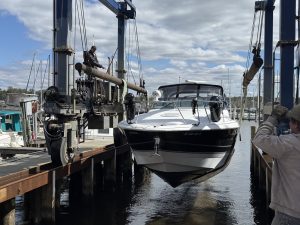
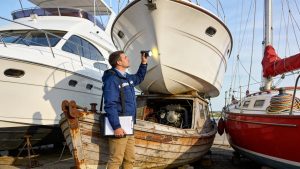
- Arrange for Haul-Out: For comprehensive inspections, especially pre-purchase surveys, the vessel must be hauled out of the water to allow for a thorough examination of the hull, running gear, and underwater appendages. Coordinate this with the marina in advance.
- Schedule a Captain for Sea Trials: If a sea trial is part of your survey (highly recommended for pre-purchase), arrange for a qualified captain to operate the vessel. The surveyor’s role is to observe and assess, not to operate the boat.
- Have Ship’s Papers Available: Gather all relevant documentation, including registration, maintenance records, previous survey reports, and equipment manuals. This information provides valuable context for the surveyor.
By taking these proactive steps, you not only save time and potential expense but also enable your professional marine surveyor to conduct the most thorough and accurate inspection possible. To discuss specific arrangements or schedule your survey, please do not hesitate to Contact us directly.
Conclusion: Your Best Bet for a Sound Maritime Investment
When navigating the complexities of vessel acquisition, insurance, or damage assessment, hiring an professional marine surveyor is not an optional expense; it is a critical investment in your safety, financial protection, and ultimate peace of mind. The “badge” of an organization like SAMS® signifies a professional who has been thoroughly vetted, is committed to rigorous standards, and adheres to a strict code of ethical conduct. This commitment ensures that the information you receive is detailed, unbiased, and actionable.
By choosing an certified expert, you secure the objective, comprehensive assessment needed to make a confident and informed decision about your maritime investment. Whether you are buying your dream yacht, ensuring your vessel is properly insured, or assessing damage, the expertise of an certified professional is indispensable.
For vessel inspections in areas like Marine Surveys in Wilmington or Marine Surveys in Morehead City, our team of professional marine surveyors at Marine Surveys of North Carolina provides the necessary expertise and peace of mind. We are dedicated to delivering thorough, unbiased reports that protect your interests and ensure the safety and longevity of your vessel.
To discuss your specific survey needs in New Bern and surrounding areas, review our process here: To discuss your specific survey needs in New Bern and surrounding areas, review our process here.