
Why a Damage Assessment Survey Protects Your Investment
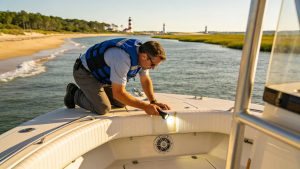
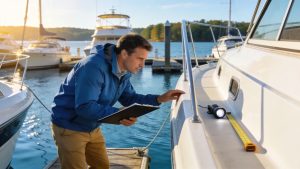
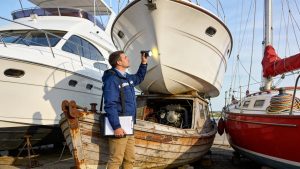
A damage assessment survey is a professional, third-party inspection that documents the extent, cause, and cost of damage to a vessel. It provides unbiased evidence for insurance claims, repair planning, and legal disputes.
What a damage assessment survey includes:
- Thorough documentation of all structural, mechanical, and cosmetic damage
- Photographic evidence and detailed written findings
- Analysis of the cause and origin of damage
- Repair specifications and cost estimates
- Determination of salvage value or total loss status
Whether your vessel has suffered storm damage, grounding, fire, collision, or water intrusion, the financial and safety stakes are high. A single missed structural issue can turn a repairable claim into a total loss—or worse, put lives at risk during future use.
The purpose of this guide is simple: to explain what a damage assessment survey is, why it’s critical, and how the process works from the moment damage occurs to the final report. You’ll learn what surveyors look for, how findings affect insurance claims and repairs, and why objective, professional documentation is the only reliable path forward after an incident.
I’m Andrew Gallant, a certified marine surveyor with The Society of Professional Marine Surveyors (SAMS®) and principal surveyor at Marine Surveys of North Carolina. I conduct damage assessment surveys across coastal and inland waterways, providing detailed, unbiased reporting that protects vessel owners and supports accurate insurance claims.
What is a Damage Assessment Survey and Why is it Critical for Vessel Owners?
A damage assessment survey is far more than just an inspection; it is a meticulous, objective investigation into the condition of a vessel following an incident. In the marine context, this specialized survey is crucial for understanding the full impact of an event, whether it’s a collision in the Intracoastal Waterway near Wilmington, grounding on a sandbar in the Outer Banks, or storm damage sustained in a New Bern marina. Unlike other types of marine surveys, its primary focus is on documenting the damage, determining its cause, and estimating the cost of repairs.
For vessel owners, engaging in a damage assessment survey is a non-negotiable step after any significant incident. It serves as the bedrock for several critical processes. First, it is indispensable for insurance claims. Insurers rely heavily on these reports to validate claims, understand the extent of loss, and authorize appropriate repairs. Without a professional, unbiased assessment, navigating the complexities of an insurance claim can be a protracted and frustrating experience, potentially leading to underpayment or rejection.
Secondly, a damage assessment survey provides a clear roadmap for repair planning. It details precisely what needs to be fixed, often specifying materials and methods, ensuring that repairs are conducted correctly and safely. This detailed scope of work helps repair yards in Beaufort or Morehead City provide accurate quotes and complete the necessary work to return the vessel to its pre-loss condition, or better.
Furthermore, in unfortunate scenarios involving legal disputes, such as a collision where liability is contested, the survey acts as vital evidence. It objectively establishes the facts of the damage, contributing to a fair resolution. Finally, in the wake of widespread disasters, like hurricanes impacting Lake Norman or the North Carolina coast, these surveys are essential for post-disaster evaluation, helping owners understand the full scope of their loss and begin the recovery process. Our role is to protect your investment by providing an impartial, expert evaluation, ensuring all damage is identified and properly attributed.

Why a Professional Damage Assessment Survey is Non-Negotiable
When your vessel suffers damage, emotions can run high, and the path forward may seem unclear. This is precisely why a professional damage assessment survey is not merely an option but a critical necessity. We provide an objective, third-party evaluation, free from the biases that might influence an owner or an insurance adjuster. Our expertise, particularly as SAMS® SA certified marine surveyors, ensures that the assessment adheres to the highest industry standards, providing credibility and accuracy that is paramount in these situations.
A key aspect of our service is avoiding conflicts of interest. We work for you, the vessel owner, to provide an unbiased report. This stands in contrast to an insurance adjuster, whose primary role is to represent the insurance company’s interests. While adjusters are vital to the claims process, our independent survey ensures that all damage is thoroughly documented, and repair estimates are fair and comprehensive.
Insurance companies almost universally require a detailed, professional damage assessment before approving significant claims. Our reports are designed to meet and often exceed these requirements, providing the detailed evidence needed to maximize your claim value. A well-documented survey can mean the difference between a partial payout and a full, equitable settlement. Beyond financial considerations, our surveys ensure that repairs are not just cosmetic but address underlying structural or mechanical issues, guaranteeing the vessel’s safety and seaworthiness for future voyages across North Carolina waters. For more information on how we handle these critical evaluations, explore our dedicated page on damage surveys.
Types of Damage Assessed on a Vessel
Vessels, by their very nature, are exposed to dynamic forces, making them susceptible to a wide array of damage types. Our damage assessment surveys are comprehensive, examining every aspect of your boat or yacht to identify and document all forms of harm.
We carefully inspect for:
- Structural damage: This includes hull integrity issues such as cracks, delamination, punctures, and impact damage, which can compromise the vessel’s seaworthiness. This is particularly crucial after groundings or collisions.
- Engine systems: We assess damage to propulsion systems, including engines, transmissions, shafts, propellers, and associated controls. A detailed review of these systems is vital, as even a minor incident can have cascading effects. More information on our approach to engine systems can be found on our engine systems review page.
- Electrical systems: From wiring harnesses to navigation electronics, we identify issues caused by water intrusion, impact, or power surges, which can pose significant safety hazards.
- Water intrusion: This often leads to hidden damage, such as rot in core materials, corrosion of metal components, and mold growth, which we uncover using specialized tools.
- Cosmetic damage: While perhaps not impacting seaworthiness, damage to gelcoat, paint, upholstery, and interior finishes can significantly affect a vessel’s value and aesthetic appeal.
- Fire damage: This involves assessing the extent of heat and smoke damage to structural components, electrical systems, and interior finishes, which often requires specialized cleaning and repair.
- Submersion: One of the most severe forms of damage, requiring a thorough evaluation of every system and component for water contamination and corrosion.
Each type of damage requires a specific investigative approach, and our expertise allows us to identify both obvious and hidden issues, ensuring nothing is overlooked in our comprehensive report.
The Anatomy of a Professional Damage Assessment Survey
The effectiveness of a damage assessment survey lies in its systematic process and thorough documentation. When we undertake a survey, our goal is to provide an objective analysis based on collected evidence, leaving no stone unturned. This methodical approach ensures that our findings are accurate, defensible, and comprehensive, providing a clear picture of the vessel’s condition.
Our process involves:
- Thorough documentation: Every observation, measurement, and finding is carefully recorded.
- Evidence collection: This includes high-resolution photographs, videos, and sometimes even material samples for laboratory analysis.
- Objective analysis: We evaluate the collected data against industry standards and best practices, drawing conclusions based on factual evidence rather than speculation.
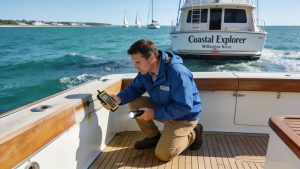
Our methods often align with standardized criteria, such as those recommended by FEMA for disaster assessment, and draw on principles for classifying damage, ensuring consistency and reliability in our reports. For example, when assessing a fiberglass hull, we might use a moisture meter to detect hidden water intrusion or delamination, a common issue after an impact or prolonged exposure.

Key Components of a Marine Damage Assessment Survey
A comprehensive marine damage assessment survey is a multi-faceted document, each component playing a vital role in understanding the loss and facilitating recovery. We ensure every report we deliver for vessels in North Carolina includes these essential elements:
- Initial Inspection and Scope of Loss: This foundational section details the vessel’s particulars, the date and nature of the incident, and an initial overview of the visible damage. It sets the stage for the entire report, outlining what we were asked to investigate.
- Photo Documentation: “A picture is worth a thousand words” holds true in marine surveying. Our reports are heavily supported by high-quality, annotated photographs that clearly depict the damage from various angles, providing undeniable visual evidence.
- Detailed Notes and Observations: This is where our expertise shines. We provide comprehensive written descriptions of all identified damage, including its location, extent, and probable cause. This often includes measurements, material descriptions, and observed anomalies.
- Repair Specifications: Based on our findings, we outline the necessary repairs. This can range from simple cosmetic fixes to complex structural rebuilds, often suggesting specific methods, materials, and even potential repair facilities in areas like Wilmington or Morehead City.
- Cost Estimation: A critical component for insurance claims, we provide a realistic estimate of the labor and material costs required to return the vessel to its pre-loss condition. This estimate is derived from our knowledge of local repair rates and industry standards.
- Salvage Value (if applicable): In cases of severe damage where repair costs approach or exceed the vessel’s value, we assess the salvage value, which is the estimated worth of the vessel in its damaged state, often for parts or scrap.
- Cause and Origin Analysis: Perhaps the most challenging aspect, this section digs into how and why the damage occurred. Was it due to a collision, grounding, storm, fire, or a pre-existing condition? Our careful analysis helps attribute responsibility and informs insurance decisions.
These components collectively form a robust report that serves as an invaluable tool for vessel owners, insurers, and repair facilities.
Classifying the Severity of Damage
Understanding the severity of damage is crucial for determining the appropriate course of action and for insurance purposes. We classify damage based on industry standards, ensuring clarity and consistency in our reports. While specific categories can vary, we generally categorize damage as follows:
| Classification | Description | Implications |
|---|---|---|
| Affected (Cosmetic) | Superficial damage that does not compromise the vessel’s structural integrity or operational safety. Examples include gelcoat scratches, minor dings, or aesthetic blemishes. | Repairs are primarily for appearance and resale value. The vessel remains fully operational and safe. Insurance claims might be smaller or fall under deductibles. |
| Minor (Non-Structural) | Damage that is more significant than cosmetic but does not affect the primary load-bearing structures of the vessel. This might include damage to non-structural bulkheads, minor equipment failures, or localized water intrusion. | Requires professional repair to prevent further deterioration or to restore full functionality. The vessel may be operational but with some limitations or risks. Insurance claims are typically manageable, focusing on specific component replacement or localized repairs. |
| Major (Structural, Requires Extensive Repair) | Damage that compromises the vessel’s primary structural components (e.g., hull, stringers, keel, main bulkheads) or critical systems, rendering it unsafe or inoperable. This includes significant impact damage, fire damage, or severe water intrusion. | Extensive and costly repairs are necessary to restore seaworthiness and safety. The vessel is likely out of commission for an extended period. This often involves significant insurance claims, requiring detailed repair plans and oversight. The vessel’s value may be significantly impacted even after repairs. |
| Destroyed (Total Loss) | Damage so severe that the cost of repairs exceeds the vessel’s fair market value, or the damage is irreparable. This can occur due to catastrophic events like sinking, severe fire, or complete structural failure. | The vessel is declared a “constructive total loss” or “actual total loss.” Insurance typically pays out the agreed-upon or actual cash value of the vessel prior to the incident, minus any salvage value. The owner may surrender the vessel to the insurer. |
Our assessment includes precise waterline measurements to identify any changes in buoyancy or trim, and a thorough examination of structural failure points to understand the full extent of compromised integrity. This detailed classification helps all parties understand the true impact of the incident.
The Process: From Incident to Final Report
Experiencing damage to your vessel can be a distressing event, but understanding the process that follows can help streamline recovery. We guide our clients through each step, ensuring clarity and efficiency.
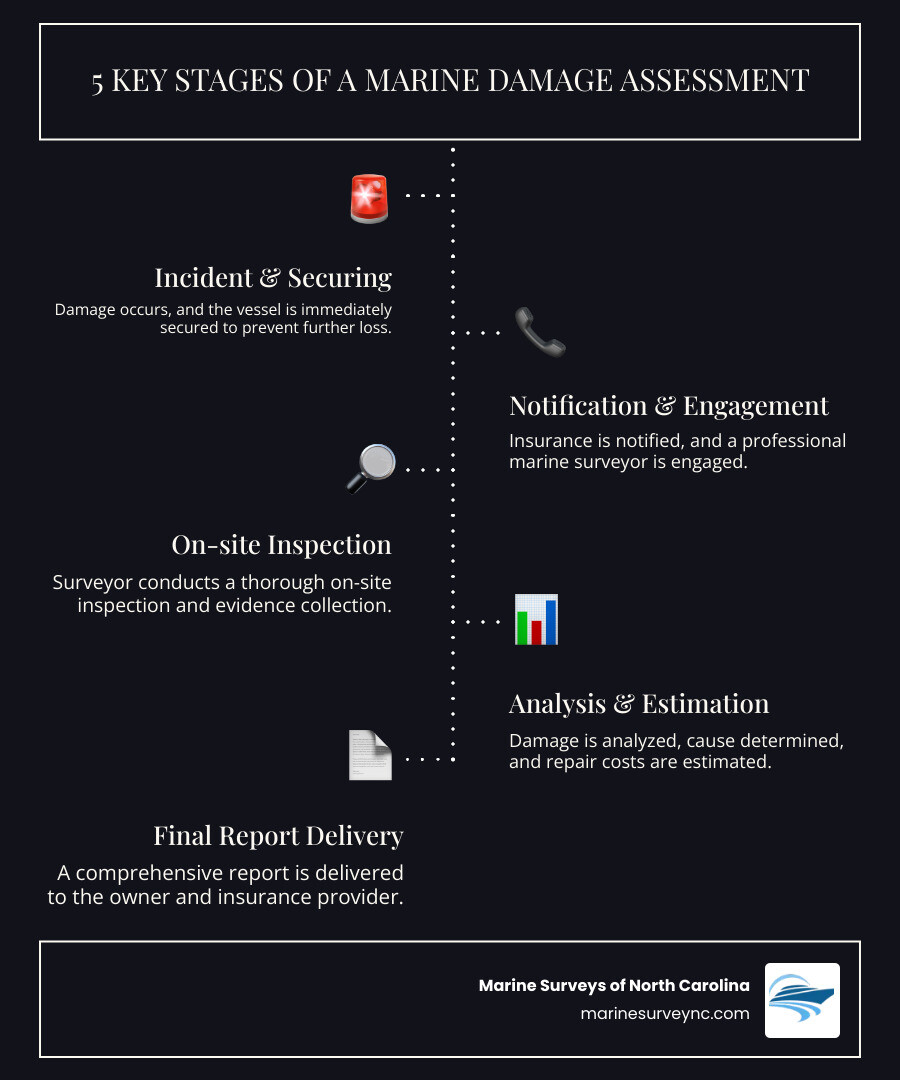
The journey from incident to final report typically unfolds as follows:
- Immediate Steps for Owners: Your first priority should always be safety. Secure the vessel to prevent further damage, if safe to do so. Document the immediate aftermath with photos and notes.
- Notifying Insurance: Contact your insurance provider as soon as possible to report the incident and initiate a claim. They will advise you on their specific requirements.
- Engaging a Surveyor: This is where we step in. We recommend engaging an independent marine surveyor promptly. Our early involvement ensures that critical evidence is captured before any repairs or salvage operations potentially obscure the true extent and cause of damage.
- The Survey Process: We schedule an on-site inspection, whether your vessel is in a marina, a boatyard, or on the hard in coastal North Carolina. This involves a meticulous examination, documentation, and data collection.
- Data Collection and Analysis: We gather all necessary information, from photographic evidence to system diagnostics, and then analyze it to form our conclusions regarding cause, extent, and repair methodology.
- Report Generation: We compile all findings into a comprehensive, professional damage assessment survey report, complete with detailed descriptions, photographs, repair specifications, and cost estimates.
- Reviewing the Findings: We present the report to you, explaining our findings clearly and answering any questions you may have, ensuring you fully understand the implications.
How Survey Data Informs Recovery and Repairs
The data and conclusions presented in our damage assessment survey report are the lynchpin for an effective recovery process. This document is far more than just a summary of damage; it’s a strategic tool that informs every subsequent decision.
Firstly, it provides a precise basis for resource allocation. Repair yards, whether in Wilmington, Beaufort, or elsewhere in North Carolina, rely on our detailed repair specifications to formulate accurate quotes and schedule work. This eliminates guesswork and ensures that the right materials and skilled labor are employed for a lasting repair.
Secondly, the report is absolutely critical for insurance negotiations. Armed with an independent, professional assessment, you are in a much stronger position to advocate for a fair settlement. The detailed evidence helps prevent disputes over the extent of damage or the cost of repairs. If, during the repair process, hidden damage is finded, our report facilitates the submission of supplemental findings, ensuring these new findies are documented and covered by the claim.
Our survey data allows us to verify repair quality once the work is complete. We can compare the finished work against the recommended specifications, ensuring that your vessel is returned to its pre-loss condition and that its safety and structural integrity are fully restored. This methodical approach helps you use a damage survey to identify necessary repairs and save money, preventing costly oversights or inadequate fixes.
Modern Tools and Best Practices in Damage Assessment
In marine surveying, precision and accuracy are paramount. We leverage modern tools and adhere to best practices to ensure our damage assessment surveys are as thorough and reliable as possible. The evolution of technology has significantly improved our ability to detect hidden issues and document findings with unparalleled detail.
We use:
- Mobile technology and data collection apps: These allow us to capture and organize data efficiently on-site, integrating photos, notes, and measurements in real-time. This streamlines the reporting process and reduces the potential for errors.
- Thermal imaging: This advanced technique helps us detect anomalies that are invisible to the naked eye, such as hidden water intrusion within core materials, delamination, or overheating electrical components. It’s an invaluable tool for uncovering latent damage.
- Moisture meters: Essential for non-invasively measuring moisture content in fiberglass, wood, and other materials, helping us pinpoint areas of water ingress and potential rot.
- Ultrasonic testing: Used to assess the integrity of hull materials, detect voids, or measure plating thickness, particularly in metal vessels.
Our commitment to adhering to standards, such as those outlined in FEMA’s guide to damage assessment principles, ensures that our methodologies are robust and recognized. We also prioritize continuous training to stay abreast of the latest advancements in vessel construction, repair techniques, and surveying technology. This blend of expertise and technology allows us to provide the most comprehensive and accurate damage assessments for our clients across North Carolina.
Frequently Asked Questions about Marine Damage Surveys
We often encounter similar questions from vessel owners in North Carolina who are navigating the complexities of damage claims. Here, we address some of the most common inquiries to provide clarity.
How is a damage survey different from a pre-purchase or insurance survey?
While all marine surveys involve inspecting a vessel, their purpose and scope differ significantly.
- A pre-purchase survey is conducted before you buy a boat. Its purpose is to evaluate the vessel’s overall condition and value, identifying any existing defects or maintenance issues that might influence your purchasing decision. It’s a comprehensive health check for a potential investment.
- An insurance survey (also known as a condition and value survey) is required by insurance companies, usually for vessels of a certain age or value, to assess seaworthiness and determine an insurable value. It focuses on identifying risks and ensuring the vessel meets safety standards.
- A damage assessment survey, in contrast, is performed after an incident has occurred. Its sole focus is on the loss itself: documenting the extent, cause, and cost of specific damage. It aims to provide unbiased evidence for insurance claims, repair planning, and legal disputes, often examining pre-existing conditions only as they relate to the incident.
Each type of survey serves a distinct purpose, and we provide detailed information on insurance surveys for those seeking coverage.
What happens if more damage is found during the repair process?
It is not uncommon for additional damage, particularly hidden issues, to be uncovered once repairs begin and components are dismantled. When this occurs, the process typically involves:
- Supplemental Reports: The repair facility or we will document the newly finded damage immediately. We can then conduct a supplemental inspection to verify these findings.
- Re-opening the Survey: If the new damage significantly alters the scope or cost, the original damage assessment may need to be expanded or a new supplemental report issued.
- Documenting Hidden Damage: We carefully document any hidden damage with photographs and detailed descriptions, just as we would for initial findings.
- Communicating with the Insurer: This new information is promptly communicated to your insurance provider. It’s crucial that they are informed and approve any adjustments to the repair plan and cost estimate before work proceeds on the new findings.
- Adjusting the Scope of Work: The repair yard will then update their work order and cost estimate based on the newly approved scope.
This systematic approach ensures that all damage, both initial and hidden, is accounted for and properly addressed by your insurance claim and the repair process.
Can I perform my own damage assessment for an insurance claim?
While you, as the vessel owner, can certainly document initial damage with photos and notes, attempting to perform your own comprehensive damage assessment for an insurance claim is highly discouraged and generally not accepted by insurers. Here’s why:
- Limitations of Self-Assessment: You likely lack the specialized tools (like thermal imagers or moisture meters), the technical expertise, and the in-depth knowledge of marine construction and systems required to accurately identify all damage, especially hidden issues.
- Insurer Requirements: Insurance companies typically require an independent, professional damage assessment survey conducted by a qualified marine surveyor. This ensures objectivity and adherence to industry standards, which is critical for validating a claim.
- Lack of Objectivity: Your assessment, however well-intentioned, may be perceived as biased by the insurer, potentially complicating or delaying your claim.
- Risk of Under-Valuing the Loss: Without professional expertise, you might inadvertently overlook significant damage or underestimate repair costs, leading to an inadequate settlement that leaves you financially exposed.
- Importance of Certified Professionals: Our SAMS® SA certification signifies a high level of training, experience, and ethical conduct. This professional credibility is what insurers trust when evaluating a claim.
Entrusting your damage assessment to certified professionals like us ensures that your claim is handled accurately, fairly, and efficiently, ultimately protecting your investment and peace of mind.
Conclusion
Navigating the aftermath of vessel damage can be a challenging experience, fraught with uncertainty and potential financial strain. However, as we have explored, the cornerstone of a successful recovery and a fair insurance claim lies in the thorough, unbiased evaluation provided by a professional damage assessment survey.
We understand that protecting your asset, whether it’s a cherished sailboat in Beaufort or a power yacht on Lake Norman, is paramount. Our methodical approach, leveraging modern tools and adhering to industry best practices, ensures that every aspect of the damage is carefully documented, analyzed, and reported. We provide the clarity needed for sound financial and safety decisions, changing a stressful situation into a manageable process.
Not every vessel’s damage is straightforward, and the complexities of marine incidents often require a discerning eye to uncover hidden issues that could otherwise lead to future problems or compromised safety. A thorough survey provides the accurate, detailed insights necessary to negotiate with insurers, plan effective repairs, and ultimately restore your vessel to its pre-loss condition.
At Marine Surveys of North Carolina, we provide the detailed, unbiased reporting required to steer the complexities of a damage claim, offering peace of mind and protecting your investment across North Carolina’s waterways. When the unexpected happens, allow our expertise to be your guide.
Request a professional damage survey today to ensure your vessel’s recovery is handled with precision and care.