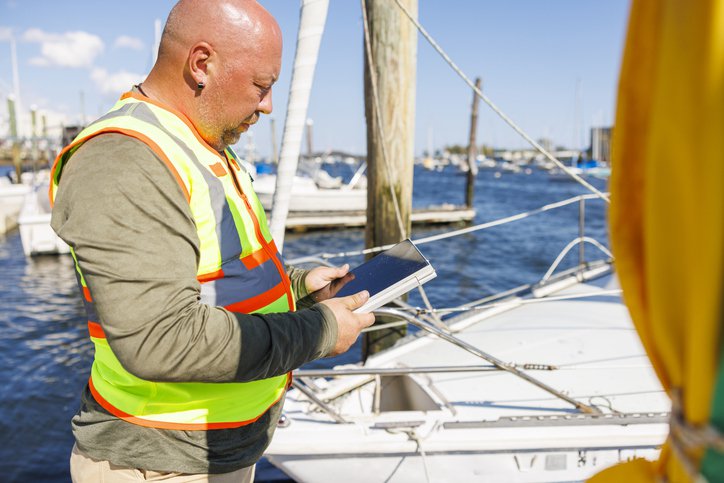
You’re in the middle of buying a boat in North Carolina. The broker has mentioned a “marine survey,” the lender may require one, and the insurer may ask for documentation before binding coverage. If you’re new to the process, the term can sound generic (and full of marine surveying jargon). In reality, marine surveys are the step that protects the buyer when the transaction is moving quickly—especially on a used boat purchase where the overall condition can be hard to judge from photos alone.
Marine Survey NC provides surveys as a SAMS® Surveyor Associate, with ABYC Certified Master Advisor credentials and named technical depth including ABYC Marine Electrical and ABYC Marine Systems. For buyers, that means the report is built to withstand lender, insurer, and real-world scrutiny—and to meet common surveyor requirements for marine insurance and financing.
Contact Marine Survey NC at 919.820.9257 or marinesurveync.com/contact to schedule.
What a marine survey is, in plain language
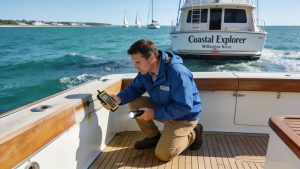
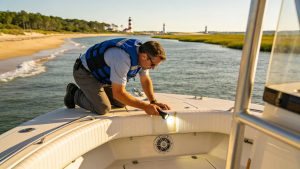
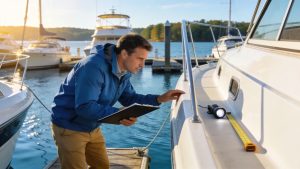
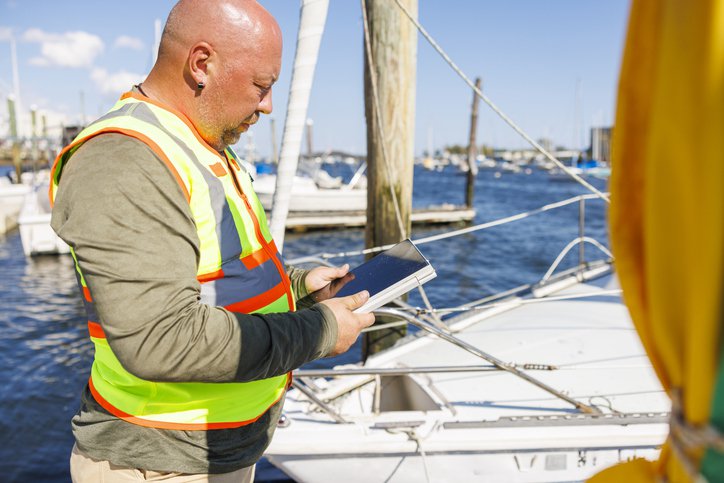
A marine survey is a professional watercraft inspection of a vessel and a written report stating the surveyor’s opinion of the boat’s condition (and, depending on survey type, valuation) on the date of inspection. In short: it’s a documented snapshot of a boat’s condition, systems, and safety-related risk for that moment in time.
For a buyer, the most common survey type is the pre-purchase survey. It is designed to answer one question: “Is this the right boat to buy at this point in time, at this price, with this risk?”
You can also explore Marine Survey NC’s service overview on the homepage and the dedicated pre-purchase marine survey page.
Why marine surveyor credentials matter (especially when insurers and lenders are involved)
A buyer is not just buying a hull. The buyer is taking on risk: fire risk, sinking risk, propulsion risk, and the financial risk of inheriting deferred maintenance.
That is why credentials are not “nice to have.” They are a validation signal—especially when an insurance underwriter is reviewing a report for insurance purposes.
- SAMS® Surveyor Associate: indicates professional certification and standards (SAMS).
- ABYC Certified Master Advisor: reflects recognized technical grounding in recreational boat systems.
- ABYC Marine Electrical / ABYC Marine Systems: supports competent evaluation of high-risk systems that drive expensive surprises.
Buyers will sometimes also see references to NAMS (the National Association of Marine Surveyors) and may compare “SAMS vs. NAMS” when looking for professional marine surveyors. The key is to hire a qualified, trusted marine surveyor with the right credentials, experience, and reporting discipline for the type of boat involved.
For more background on recreational boat standards and safe practices, see ABYC’s recreational boater resources.
What a pre-purchase marine survey typically includes
A thorough pre-purchase survey is systematic. The exact scope varies by vessel type, but a buyer can generally expect a broad inspection across major systems and key specifications relevant to the build and installation quality.
Hull and structure
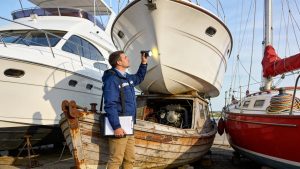
Surveyors evaluate condition indicators for the hull, deck, and supporting structures. The point is to identify material concerns and evidence of problematic repairs on marine vessels of all sizes (from center consoles to cruisers).
Deck hardware and fittings
Leak pathways and attachment points matter. Hardware condition, security, and installation quality are assessed.
Through-hulls and plumbing risk
Through-hulls and related fittings are assessed as high-consequence components. The report should document observed risks clearly.
Machinery and propulsion (verification of operation)
A buyer needs confidence that the propulsion and related systems perform under normal operating conditions and that red flags are documented—so the buyer understands whether the boat appears to be in a safe operating condition at the time of inspection.
For transactions where machinery condition is central, Marine Survey NC can provide an engine systems review. Depending on the boat, that may involve a focus similar to what buyers think of as a gasoline engine surveyor or diesel engine surveyor scope (even when handled as part of an overall survey).
Electrical systems
Electrical issues can be safety-critical. A survey looks for conditions that can create shock or fire risk and for reliability problems that become expensive after closing.
Safety systems and equipment
Safety gear presence and condition are documented so buyers understand what is missing, outdated, or unsuitable for the intended use.
What the buyer receives in the report
A useful survey report does more than list observations. It organizes findings so the buyer can act.
Most reports include:
- Narrative condition findings by system
- Photographs supporting key points
- Prioritized safety and material concerns
- Recommendations that help buyers plan next steps
If you want a quick overview of the process, Marine Survey NC maintains an FAQ that answers common buyer questions, including common report sections (sometimes informally referred to as the “marine surveyor subsection” of the document) and how survey scope is selected.
Marine survey vs. appraisal vs. insurance condition & valuation
Buyers often see these terms mixed together.
- Pre-purchase survey: buyer-focused condition assessment to support a purchase decision.
- Appraisal: value-focused document, sometimes used by lenders or legal processes.
- Insurance Condition & Valuation (C&V): commonly required for policy underwriting or renewal, especially on larger vessels or older boats.
When the need is insurance-driven (not purchase-driven), the survey objective and report framing change. Some lenders and insurers want a condition report plus valuation; others want a more limited condition assessment and photographs for insurance purposes.
Separately, some marine professionals specialize by role—such as a small craft surveyor for recreational boats, a boat surveyor focused on private transactions, or (outside the recreational context) a cargo surveyor supporting commercial cargo and logistics documentation.
Typical cost range in North Carolina
Buyers often ask, “How much does a marine survey cost?” In North Carolina, a realistic range for a pre-purchase survey is often $800–$2,000 depending on vessel size and type.
The drivers are practical: vessel complexity, number of installed systems, and the time required to document condition thoroughly (including machinery, electrical, and safety systems).
For buyers who want an initial snapshot before commissioning a full pre-purchase scope, Marine Survey NC offers a preliminary survey.
Why geography matters in North Carolina purchases
North Carolina boating includes both freshwater and coastal operating environments. A buyer on Lake Norman has different exposure patterns than a buyer purchasing on the Cape Fear River or the Intracoastal Waterway, and a different set of expectations than a buyer planning to run out of Beaufort Inlet.
This matters because usage and environment influence corrosion, wear patterns, and what a surveyor will emphasize during a watercraft inspection. It’s also why many buyers prefer independent marine surveyors who can provide an objective read of condition regardless of broker or marina relationships.
Marine Survey NC publishes location pages to clarify service coverage:
A marine survey is how buyers protect the transaction
A marine survey is not a formality. It is the independent, credentialed assessment that protects your purchase decision and clarifies risk while you still have leverage—whether you’re buying your first used boat or upgrading to a larger cruiser.
Contact Marine Survey NC at 919.820.9257 or marinesurveync.com/contact. SAMS® Surveyor Associate — Charlotte metro, Lake Norman, and coastal North Carolina.
External references:
- American Boat & Yacht Council (ABYC) recreational boater resources (American Boat standards and guidance)
- Society of Professional Marine Surveyors (SAMS®)
- Offshore Risk: Marine Surveys 101