Marine Surveyor Wilmington NC: Coastal Vessel Surveys
Marine Surveyor Wilmington NC: Expert Coastal Vessel Surveys for Compliance and Safety
In the coastal region of Wilmington, NC, marine surveyors play a crucial role in ensuring the safety and compliance of vessels operating in the area. Marine surveying encompasses various inspection services aimed at evaluating the condition of boats and ensuring they meet regulatory standards. This guide will delve into the significance of marine surveys, elucidating the various inspection services offered, types of vessels surveyed, and how these assessments contribute to compliance and safety. As vessel owners may encounter issues with insurance or regulations, comprehensive surveys can mitigate potential risks, making it essential to understand these services. The following sections will outline the inspection services available, types of vessels covered, and the preparation of detailed condition reports.
What Coastal Vessel Inspection Services Are Offered in Wilmington NC?
Marine surveyors in Wilmington, NC, provide a broad array of coastal vessel inspection services designed to aid vessel owners in ensuring compliance with maritime regulations and safety standards. These services include:
- Pre-Purchase Surveys: An in-depth evaluation of a vessel’s condition before purchase, ensuring potential buyers are aware of any issues.
- Insurance Surveys: Assessments aimed at meeting insurance provider requirements, ensuring the vessel is within safe operational standards.
- Damage Surveys: Evaluations conducted after an incident to determine the extent of damage and provide reporting for insurance claims.
- Compliance Inspections: Surveys ensuring vessels meet local and federal safety regulations, crucial for operational legality.
For comprehensive marine survey services in Wilmington, Marine Surveys of North Carolina stands out as a reliable partner, offering expertise across these inspection categories.
Which Types of Vessels Do Coastal Surveys Cover in Wilmington?
Coastal surveys encompass a variety of vessels operating in Wilmington’s waters. These types include:
- Recreational Boats: Private sailboats, motorboats, and yachts that require inspections for safety and compliance with regulations.
- Commercial Vessels: Fishing boats, charter boats, and other commercial operations that must adhere to strict safety and regulatory standards.
- Personal Watercraft: Jet skis and other smaller vessels that also need to pass safety inspections.
Understanding the types of vessels covered under these surveys is essential for ensuring that each meets the unique requirements and standards set forth in maritime regulations.
How Are Hull Integrity and Machinery Condition Inspected?
Inspections of hull integrity and machinery condition focus on assessing the structural and operational safety of vessels.
A couple of common inspection methods include:
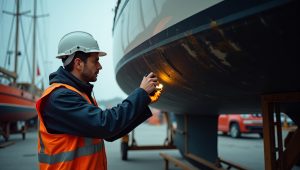
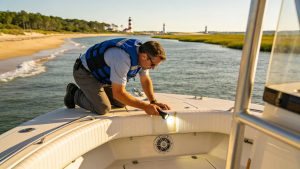
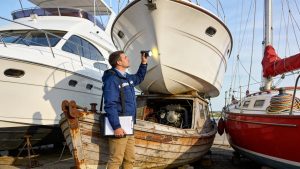
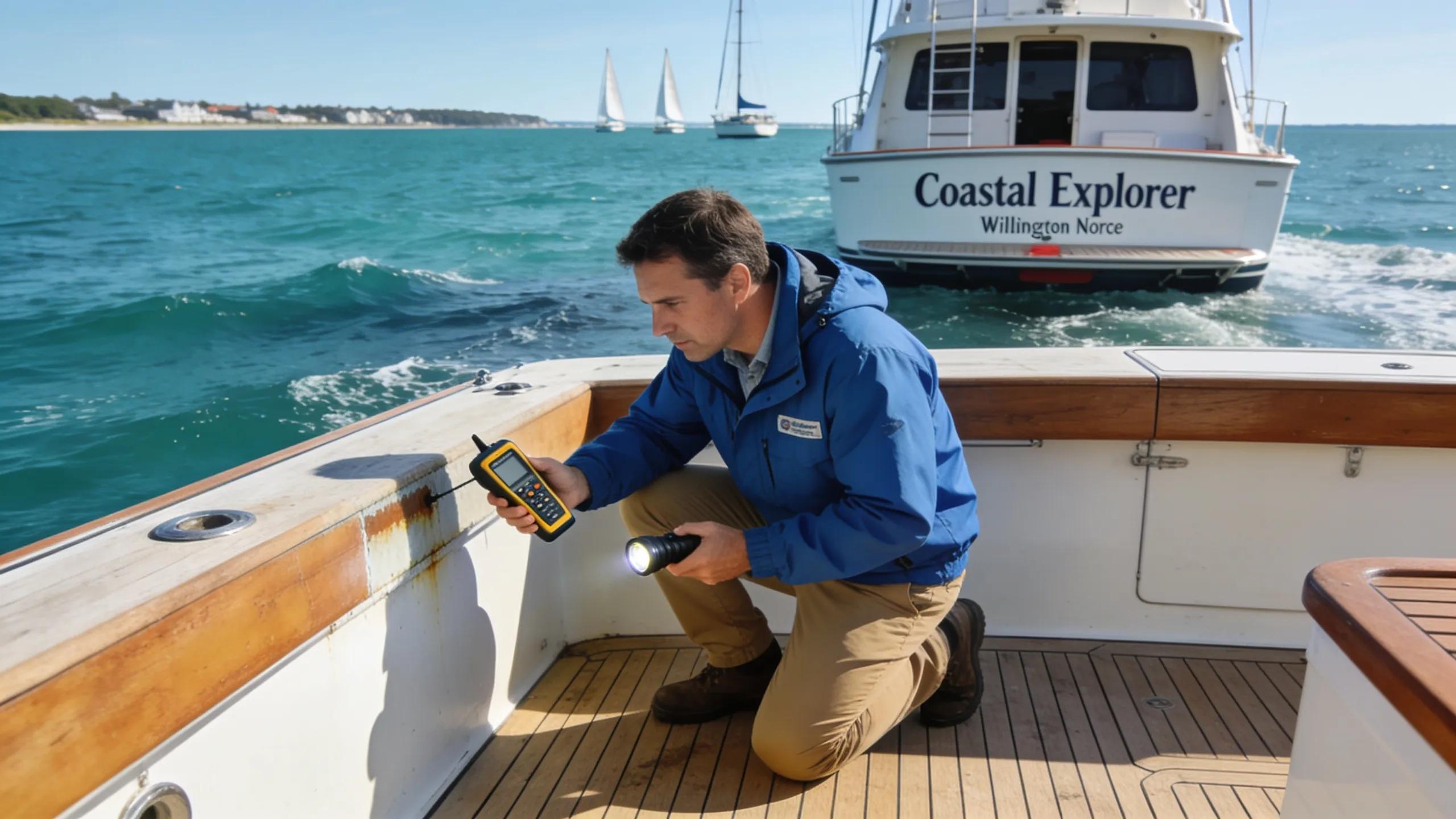
- Visual Inspections: Surveyors visually assess hull surfaces for signs of wear, damage, or corrosion that may compromise safety.
- Equipment Testing: Machinery such as engines, pumps, and steering systems are subjected to rigorous testing to ensure functionality and reliability.
These inspections are crucial in identifying potential risks before they result in critical failures, enhancing overall vessel safety.
How Are Vessel Condition Reports Prepared and Used in Wilmington NC?
Vessel condition reports serve as formal documentation of a vessel’s state as determined through inspections. These reports are compiled by marine surveyors and serve several important purposes.
To prepare a comprehensive report, the surveyor collects data from the inspections, documenting key findings related to condition, safety features, and compliance with regulations. These reports are essential for:
- Insurance Requirements: Insurers often require detailed reports to assess risk before issuing coverage.
- Sale Transactions: Buyers and sellers utilize these reports to establish fair sale conditions backed by documented evidence.
- Regulatory Compliance: Reports assist vessel operators in maintaining compliance with marine safety standards.
By employing a strategic approach to vessel evaluations, surveys provide critical insights for stakeholders involved.
What Detailed Information Does a Vessel Condition Report Include?
A comprehensive vessel condition report typically includes:
- Structural Integrity: Findings related to the hull and superstructure’s condition.
- Machinery Status: Detailed assessments of onboard systems like engines and electrical setups.
- Safety Equipment Evaluation: A checklist of required safety items and their operational status.
- Word on Compliance: A summary of adherence to regulatory standards.
This thorough documentation not only facilitates insurance processes but is also indispensable for ensuring ongoing vessel safety and operational legality.
Who Uses Vessel Condition Reports and For What Purposes?
Various stakeholders utilize vessel condition reports for diverse purposes, including:
- Boating Enthusiasts: Buyers and sellers in the private vessel market reference reports to ensure fair transactions.
- Insurance Companies: One of the primary users of these reports, insurers evaluate risks and coverage levels based on the detailed assessments provided.
- Regulatory Bodies: Government entities rely on these documents for compliance checks and to enforce safety standards in marine operations.
Understanding the portrait of users and the uses of these reports underscores their value in the marine industry.
What Are the Costs and Scheduling Options for Boat Surveys in Wilmington?
The costs associated with boat surveys in Wilmington can vary significantly depending on factors such as the type of vessel and survey scope. Here are some general insights:
- Pre-Purchase Surveys: Typically range between $300 and $1,500 based on vessel size and complexity.
- Insurance Surveys: Prices often fall in a similar range, usually reflecting the depth of inspection required.
- Damage Surveys: Costs can vary widely based on the extent of damage and the necessary assessments.
Scheduling options generally provide flexibility as marine surveyors aim to accommodate vessel owners’ timelines while ensuring a thorough inspection process.
How Is the Cost of a Boat Survey Determined in Wilmington NC?
Several factors influence the cost of marine surveys in wilmington, including:
- Vessel Size: Larger vessels generally incur higher fees due to longer inspection times and increased complexity.
- Type of Survey: Different surveys require different scopes of work, impacting price.
- Location and Accessibility: Accessibility of the vessel for the surveyor can also affect costs and scheduling.
Understanding these variables will help vessel owners prepare adequately for the financial aspects of marine surveying.
What Is the Typical Timeline and Scheduling Process for Surveys?
The typical timeline for conducting and finalizing a vessel survey generally involves initial consultations, scheduling, and final reporting. Here’s a breakdown of the process:
- Initial Consultation: Vessel owners contact a marine surveying service to discuss their needs, typically lasting 30-60 minutes.
- Scheduling the Survey: Depending on the surveyor’s availability and the vessel’s location, surveys can usually be scheduled within 1-2 weeks.
- Reporting Timeframe: After completion of the survey, reports are often delivered within 3-5 business days.
Comprehending this timeline aids vessel owners in planning effectively for inspections.
Which Marine Surveyor Certificates and Compliance Inspections Are Required in North Carolina?
In North Carolina, marine surveyors are required to obtain specific certifications ensuring their competence and knowledge in maritime regulations. Important certifications include:
- National Association of Marine Surveyors (NAMS): Recognized credentials confirm rigorous training and adherence to ethical standards in marine surveying.
- American Boat and Yacht Council (ABYC): Compliance with standards set by ABYC is crucial for safe vessel operation and marine repair.
Certification insights directly bolster the credibility of marine surveyors, assuring vessel owners of the quality and reliability of the services they provide.
What Commercial Boat Inspection Services Are Available in North Carolina Coastal Areas?
Commercial boat inspection services in North Carolina encompass various offerings to enhance safety and compliance for commercial operators. These services include: marine surveys in wilmington
- Safety Inspections: Evaluating compliance with state and federal safety regulations.
- Stability Tests: Ensuring vessels are properly loaded and stable for safe operations.
- Environmental Compliance Audits: Assessing adherence to environmental regulations protecting coastal and marine ecosystems.
These services ensure that commercial vessels operate safely within the regulatory frameworks, safeguarding both crews and the environment.
How Are Commercial Vessel Inspections Different From Private Boat Surveys?
Commercial vessel inspections differ significantly from private boat surveys in scope and regulatory requirements. Key distinctions include:
- Regulatory Compliance: Commercial inspections must adhere to stringent federal and state regulations that do not apply to personal vessels, reflecting the higher risk involved.
- Inspection Frequency: Commercial vessels often undergo inspections more regularly than private boats to maintain operational compliance.
- Depth of Analysis: Inspections for commercial vessels typically require a more extensive survey due to the operational demands and regulations governing commercial activities.
Understanding these differences is essential for vessel operators in ensuring proper compliance and safety measures.
What Are Key Safety and Regulatory Focus Areas in Commercial Inspections?
During commercial inspections, several key safety and regulatory areas warrant particular focus:
- Crew Training and Safety Protocols: Ensuring that staff are adequately trained to manage safety equipment and understand emergency procedures.
- Vessel Maintenance Standards: Regular checks must confirm that maintenance meets established safety standards.
- Environmental Compliance: Vigilance concerning emissions and waste management is crucial to adhere to environmental regulations.
These focal areas lend insight into the rigorous standards commercial vessels must meet for safe operations.
How Can Maritime Consulting and Advisory Services Enhance Vessel Ownership Decisions?
Maritime consulting and advisory services provide vessel owners with critical expertise to inform their decisions regarding buying, selling, and maintaining vessels. These services offer:
- Risk Assessment: Identifying potential risks through comprehensive analyses aids in informed decision-making.
- Regulatory Guidance: Advisors furnish information on current regulations, helping owners remain compliant amidst changing laws.
- Market Insights: Consultants can provide valuable insight into market trends, ensuring optimized vessel investments.
Leveraging these advisory services enhances overall vessel ownership experiences.
What Types of Advisory Services Do Marine Surveyors Provide in Wilmington?
Marine surveyors in Wilmington offer a range of advisory services, including:
- Investment Consulting: Assessing potential vessel purchases and guiding buyers through complex decisions.
- Regulatory Compliance: Assisting owners in understanding and implementing necessary compliance measures.
- Maintenance Recommendations: Offering suggested practices for ongoing vessel upkeep and safety assurance.
These services complement the primary surveying activities, providing added value to vessel owners.
How Does Consulting Support Compliance and Risk Management?
Consulting services contribute significantly to enhancing compliance and mitigating risks in several ways:
- Tailored Solutions: Advisors create customized compliance strategies to suit specific operational contexts, ensuring thorough understanding and enactment of required measures.
- Ongoing Support: Continual consulting allows for timely updates on regulatory changes that affect vessel operations, keeping owners informed to maintain compliance.
- Training Programs: Offering training to crews ensures they are equipped to manage and implement necessary compliance practices on board.
These supportive measures foster a proactive approach to risk management and compliance, ultimately contributing to safer maritime operations.