
Pre-Purchase Marine Survey Process Explained for Boat Owners: Comprehensive Guide to Vessel Inspection and Decision-Making
By Andrew Gallant, Marine Surveys of North Carolina
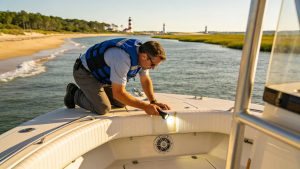
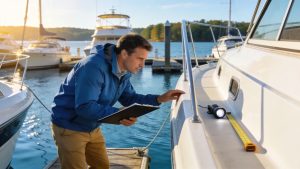
Buying a boat is an exciting venture, yet it comes with its share of uncertainties and risks. One of the most important steps in this process is the pre-purchase marine survey, a thorough examination conducted by a certified marine surveyor to assess the vessel’s condition. This article will guide boat owners through the pre-purchase marine survey process, its importance, and how it helps protect against potential issues hidden beneath the surface. We will explore the detailed steps involved, factors influencing decision-making, and preparation tips for ensuring a successful survey. Ultimately, we aim to empower you with knowledge so that you can make informed decisions while investing in your marine asset.
Importance of Pre-Purchase Surveys
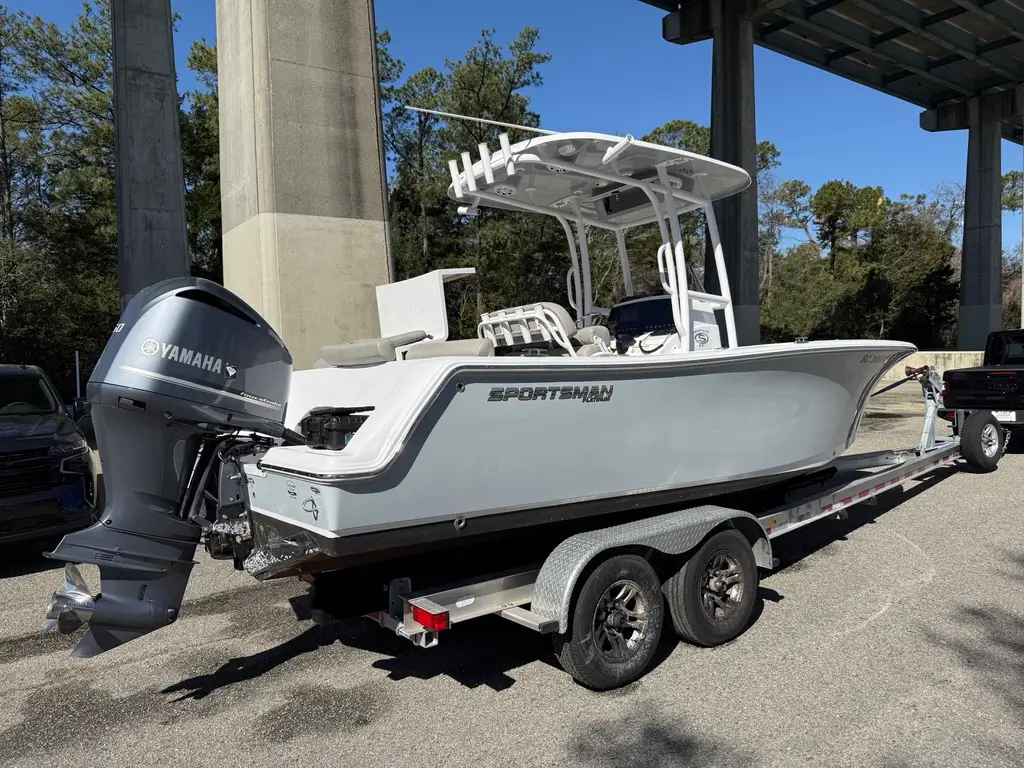
Pre-purchase marine surveys are critical for identifying potential defects and verifying the overall condition of a vessel before purchase. They serve as an objective evaluation that helps prospective boat owners mitigate significant risks associated with hidden issues that may not be visible during an initial inspection. Investing in a thorough survey protects buyers from unexpected repairs and liabilities while providing necessary documentation often required for insurance claims. Furthermore, a comprehensive report can be pivotal during negotiations, serving as leverage for buyers to request repairs or price adjustments.
The Survey Process
The marine survey process involves several well-defined steps, all designed to ensure a meticulous evaluation of the vessel’s condition. This comprehensive approach consists of:
- Visual and moisture inspections: Surveyors check for any visible signs of damage and moisture intrusion.
- Operational checks: During a sea trial, essential systems are tested for functionality.
- In-depth mechanical evaluations: Surveyors examine the engine, electrical systems, and safety equipment.
These various assessments collectively contribute to ensuring that the vessel meets safety standards and overall performance expectations, providing peace of mind for the buyer.
Key Considerations for Decision-Making
Once the survey is complete, the resulting report entails significant insights that influence a buyer’s decision-making process. Key aspects to consider include:
- Negotiation leverage: Findings can be pivotal in negotiations, impacting purchase price or repairs needed.
- Future maintenance planning: Buyers can utilize the report to anticipate future upkeep costs.
- Insurance and financing needs: A solid survey report may be required by lenders or insurers to validate vessel condition.
Engaging with professionals can greatly enhance this decision-making process, particularly with firms like Marine Surveys of North Carolina, which specialize in pre-purchase marine surveys tailored for boat owners in the region.
Preparing for the Survey
Preparation for the marine survey is crucial for ensuring a smooth inspection process. Key preparation steps include:
- Gathering necessary documentation: Ensure that prior maintenance records and any previous survey reports are available.
- Ensuring vessel accessibility: The surveyor needs unobstructed access to all areas of the vessel.
- Preparing systems for testing: Pre-check all equipment to facilitate effective operating assessments during the survey.
By taking these steps, the vessel owner can contribute to a more efficient survey process. For more information about our marine survey services in Willington call us to
Collaborating for a Smooth Survey
Successful collaboration between the buyer and seller can facilitate a more manageable survey process. Clear communication regarding any pre-existing issues, vessel history, and access arrangements is essential. Ensuring the surveyor has timely access to the boat can prevent delays and ensure a thorough examination of all necessary components.
What Is a Pre-Purchase Marine Survey and Why Is It Essential?
A pre-purchase marine survey is a comprehensive inspection of a vessel’s condition conducted by a certified marine surveyor before finalizing a boat purchase. This process evaluates crucial elements such as the hull, mechanical systems, and electrical components. The survey aims to highlight any flaws or necessary maintenance to support informed purchasing decisions.
Essential Benefits
Conducting a pre-purchase marine survey offers several key benefits, including:
- Identifies hidden issues: The survey uncovers problems such as structural damage, moisture intrusion, and electrical issues that may not be apparent during a casual inspection.
- Supports negotiations: Findings from the survey empower buyers to negotiate a lower purchase price or request repairs before closing the deal.
- Insurance requirements: Often, a survey is needed to secure financing or insurance, proving the vessel’s condition to lenders.
These advantages highlight the necessity of a pre-purchase survey for any potential boat owner.
Key Components of the Survey
Key components evaluated during a pre-purchase marine survey include:
- Hull, Deck, and Structure: A thorough inspection ensures that the vessel’s integrity is intact and that no significant damage is present.
- Through-Hulls, Seacocks, and Plumbing: Examining these systems prevents water ingress and plumbing issues.
- Systems Check: Critical systems, including steering, propulsion, and electrical systems, are assessed for functionality.
- Sea Trial: Evaluating vessel performance in real conditions is crucial for assessing response and operational capabilities.
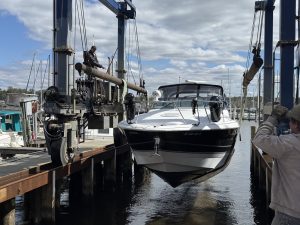
- Out-of-Water Inspection: This provides additional insights into the vessel’s condition, particularly related to the hull and underwater components.
How Pre-Purchase Surveys Mitigate Risks and Protect Financial Interests
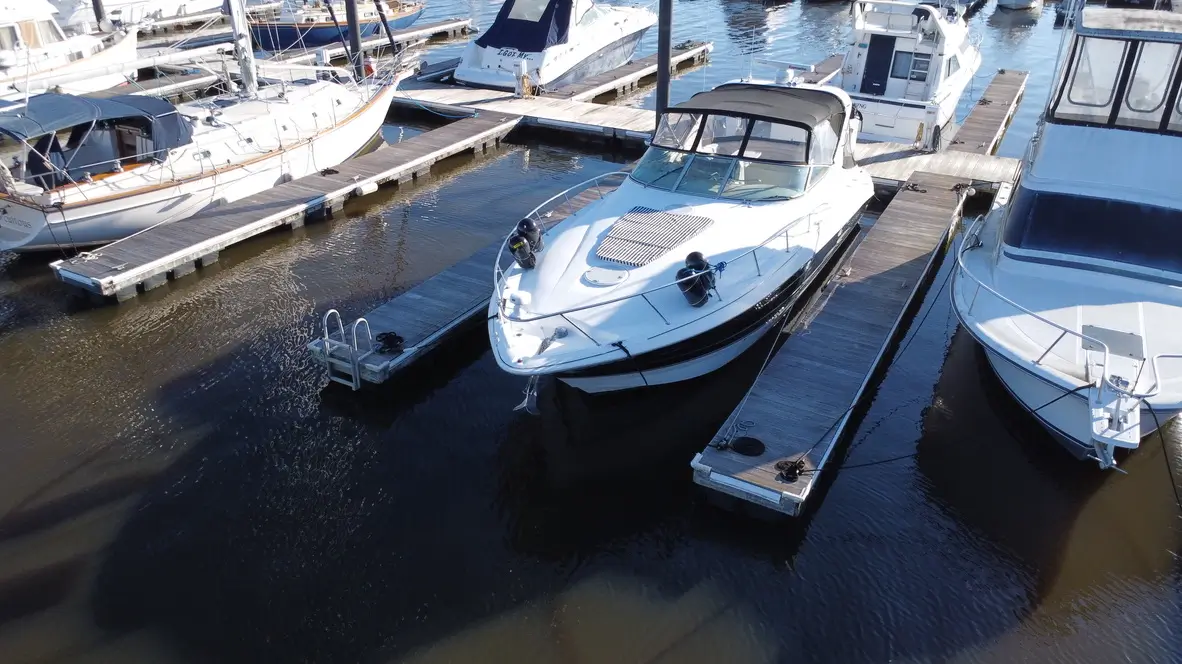
Pre-purchase marine surveys significantly mitigate risks for buyers by offering a clear picture of the vessel’s condition, helping to prevent disastrous financial consequences. The survey provides a detailed account of any existing issues, ensuring that buyers are aware of potential repair costs before committing to the purchase. Additionally, by identifying necessary repairs upfront, boat owners can budget effectively, reducing the likelihood of unexpected expenses after the purchase.
Which Vessel Systems Are Evaluated in a Pre-Purchase Survey?
A pre-purchase marine survey meticulously assesses a variety of vessel systems to ensure safety and functionality. These include:
- Mechanical systems assessment: Evaluating the engine, propulsion, and related components provides insights into operational reliability.
- Electrical systems verification: Conducting evaluations on wiring, batteries, and essential electrical devices.
- Safety equipment validation: Ensuring necessary safety gear is present and in good working condition.
Through these evaluations, the survey aims to guarantee that the vessel is seaworthy and ready for use.
Detailed Inspection Checklist: Hull, Engine, Electrical, and Safety Equipment
A comprehensive inspection checklist is an essential tool for the marine survey process. Below is a detailed overview highlighting critical areas of focus:
This detailed checklist allows surveyors to thoroughly document the condition assessment across different vessel systems, ensuring that all necessary factors are examined.
How Surveyors Identify Structural and Mechanical Deficiencies
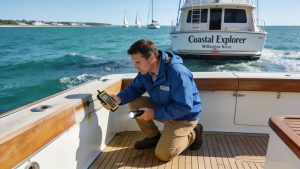
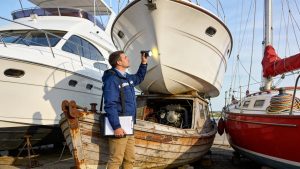
Surveyors utilize a systematic approach to identify structural and mechanical deficiencies in vessel systems. Starting with visual inspections, they look for signs of damage or wear that may not be obvious at first glance. Tools such as moisture meters and ultrasonic testing devices further enhance evaluation accuracy, enabling surveyors to uncover hidden issues within the vessel’s structure.
What Qualifications and Credentials Should a Certified Marine Surveyor Possess?
To ensure a successful marine survey, it’s crucial that buyers engage certified professionals. A qualified marine surveyor typically possesses the following qualifications:
- Experience: Practical knowledge from years of surveying various boat types.
- Professional Memberships: Affiliations with recognized organizations in the marine surveying industry.
- Technical Certifications: Relevant certifications that demonstrate expertise in marine systems and surveying techniques.
- Regulatory Knowledge: Understanding of applicable laws and safety regulations.
By choosing a surveyor with these credentials, buyers can ensure their survey is comprehensive and reliable.
Recognized Certifications and Licensing Relevant to North Carolina
In North Carolina, there are no mandatory training requirements or government licenses for marine surveyors. Therefore, it’s essential for buyers to choose certified professionals who have undergone rigorous training. Two prominent certifications that help buyers gauge the qualifications of marine surveyors include:
- Society of Accredited Marine Surveyors (SAMS) certification
- National Association of Marine Surveyors (NAMS) certification
Selecting surveyors with these certifications ensures the buyer is working with qualified experts in the field.
Surveyor Responsibilities and What Boat Owners Can Expect During the Process
During the pre-purchase marine survey process, the surveyor holds several key responsibilities. This includes:
- Initial consultation: Discussing the vessel and the expectations for the survey.
- Conducting inspections: Performing thorough evaluations across all critical systems and components.
- Delivering the report: Compiling findings into a detailed report that outlines the vessel’s condition, any deficiencies noted, and suggested actionable steps.
Boat owners can expect a comprehensive understanding of their vessel’s condition after the survey is complete, aiding them in making informed decisions.
How Does the Marine Survey Report Inform Purchase Decisions?
The marine survey report is a vital tool for informing purchase decisions during the pre-purchase marine survey process. It not only details the condition assessment but also highlights any necessary repairs or maintenance that may influence the overall transaction terms. Understanding the nuances of the report can empower buyers to negotiate better terms based on the findings presented.
Key Insights Offered by the Report
The marine survey report typically offers critical insights including:
- Condition assessment summaries: Clear outlines of the vessel’s overall health, including any flagged critical issues.
- Potential negotiation impacts: How identified deficiencies may support price adjustments or repair requests during negotiations.
By leveraging insights from the survey report, buyers can navigate the purchasing process with increased confidence and clarity.
Factors Influencing Findings
Several factors can influence survey findings and outcomes:
- Vessel type considerations: Differences in construction materials and designs can affect how issues manifest.
- Surveyor expertise impact: A qualified surveyor’s experience can lead to more accurate evaluations and insights.
Being aware of these factors allows buyers to understand potential variations in the assessment and respond accordingly.
Utilizing Survey Reports for Negotiations, Insurance, and Legal Compliance
The survey report also plays a critical role in various aspects of marine ownership beyond purchase negotiations. Buyers can use it to:
- Navigate effective negotiation strategies, leveraging discovered issues.
- Provide necessary documentation for insurance coverage, often a requirement from insurers.
- Ensure compliance with legal obligations before finalizing any purchase transaction.
By understanding how to leverage the survey report effectively, buyers can enhance their negotiation power and protect their interests.
What Factors Influence the Cost of a Pre-Purchase Marine Survey in North Carolina?
The cost of a pre-purchase marine survey can vary based on several key factors:
- Influence of vessel size: Generally, larger vessels require more extensive inspections, affecting overall costs.
- Survey scope impact: Comprehensive surveys that cover additional systems typically incur higher fees.
Awareness of these influencing factors can help buyers prepare budget-wise for the survey process.
Variables Affecting Survey Pricing: Vessel Size, Survey Scope, and Regional Considerations
In addition to size and scope, regional pricing considerations also play a role. Factors influencing costs may include:
- Local economic conditions: Variances in demand for survey services within the region.
- Complexity of systems: More intricate boats that are difficult to inspect may incur additional charges.
By understanding these variables, boat owners can anticipate survey pricing more accurately.
Comparing Types of Marine Surveys: Pre-Purchase vs. Condition and Insurance Surveys
There are various types of marine surveys available, each serving different purposes.
- Pre-Purchase Surveys: Focused on assessing a vessel’s condition before purchase.
- Condition Surveys: Typically conducted for insurance purposes or ongoing maintenance assessments.
- Insurance Surveys: Required by insurers to evaluate a vessel’s condition for coverage considerations.
Understanding the distinctions between these survey types is essential for boat owners to choose the right option depending on their specific needs.
How to Schedule a Pre-Purchase Marine Survey and Prepare for the Process?
Scheduling a pre-purchase marine survey involves several steps to ensure an effective process.
- Contacting a surveyor: Begin by reaching out to a certified marine surveyor to discuss your specific needs.
- Setting the survey date: Coordinate a suitable time when the vessel is accessible and ready for inspection.
- Preparing the vessel: Ensure that necessary systems are operational and documents are organized.
Proper scheduling and preparation significantly enhance the likelihood of a successful survey experience.
Step-by-Step Guide to Booking Appointments with Certified Surveyors
Here’s a straightforward guide on how to book an appointment with a certified marine surveyor:
- Research qualified surveyors: Look for local professionals with the appropriate certifications.
- Schedule initial consultations: Discuss your specific requirements and expectations.
- Confirm availability: Set a date that accommodates both parties concerning access to the vessel.
With these steps, boat owners can effectively prepare for the survey process.
What Documentation and Access Are Required for an Effective Survey?
For a successful marine survey, several essential documents and access requirements must be met, including:
- Documentation: Prior maintenance records, previous survey reports, and any related contracts should be readily available for the surveyor to review.
- Access requirements: Ensure that the vessel is easy to access, with all key systems operable.
By adhering to these requirements, boat owners can facilitate a thorough and efficient survey process.