Why Maritime Safety Requires Specialized Expertise
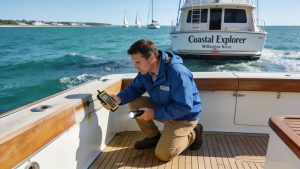
A marine safety consultant is a specialized professional who provides expert guidance on vessel safety, regulatory compliance, risk management, and incident investigation. These consultants serve vessel owners, ship managers, financial institutions, and insurance underwriters by ensuring maritime operations meet international and national standards while protecting against costly failures and regulatory penalties.
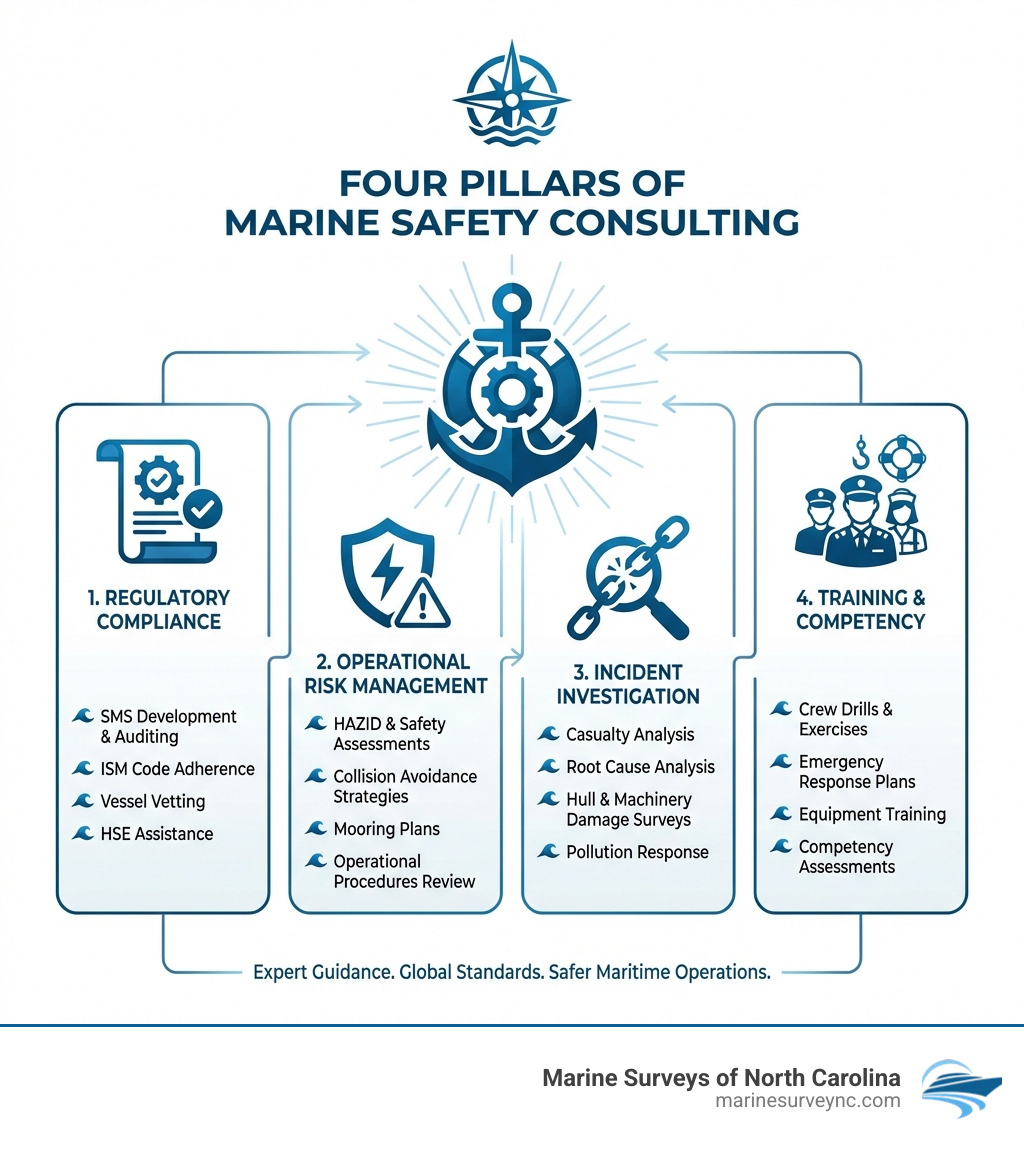
Key services provided by marine safety consultants include:
- Regulatory Compliance & Auditing — Safety Management System (SMS) development, ISM Code adherence, vessel vetting, and HSE assistance
- Risk Management — Operational safety assessments, Hazard Identification (HAZID), collision avoidance strategies, and mooring plans
- Incident Investigation — Marine casualty investigation, root cause analysis, hull & machinery damage surveys, and pollution response
- Training & Crew Development — Custom emergency drills, equipment training, and competency assessments
- Specialized Services — Offshore wind vessel vetting, eCMID/eMISW inspections, and emerging technology compliance
The maritime industry operates under layers of complex regulations that shift constantly. New Canadian regulations that came into force on July 3, 2024, now require most commercial vessels to have documented Safety Management Systems—expanding requirements far beyond the traditional SOLAS vessels. Transport Canada may take up to 45 business days just to review an SMS application, and failure to follow procedures can result in fines up to $250,000. This is the regulatory reality that vessel operators face, and it’s exactly why specialized expertise matters.
Whether you’re purchasing a yacht, managing a commercial fleet, or securing insurance coverage, the stakes are high. Hidden structural damage, non-compliant safety equipment, or inadequate emergency response plans can transform a sound investment into a financial disaster. Marine safety consultants bridge the gap between regulatory requirements and operational reality, providing the technical knowledge and independent assessment that owners, lenders, and insurers depend on to make informed decisions.
As Andrew Gallant, a certified marine surveyor with Marine Surveys of North Carolina, I apply the same principles of thorough inspection and regulatory knowledge in every vessel evaluation, ensuring that buyers and owners understand the true condition and compliance status of their maritime investments. While my work focuses on independent vessel surveys rather than broader maritime consulting, the foundation of protecting client interests through detailed, unbiased assessment remains constant.
The Core Services of a Marine Safety Consultant
The role of a marine safety consultant extends far beyond simple inspections. These professionals cover the entire lifecycle of a vessel’s operational safety and compliance, acting as essential guides in a complex and often high-stakes environment. Our focus as marine surveyors in North Carolina aligns with many of these principles, ensuring that when you make a significant investment, you do so with complete clarity regarding safety and compliance.
Regulatory Compliance and Auditing
At the heart of a marine safety consultant’s work is ensuring adherence to the intricate web of maritime regulations. This involves more than just checking boxes; it’s about establishing a robust safety culture and operational framework. Consultants excel in Safety Management System (SMS) development, which is crucial for vessels of all sizes, from commercial fleets navigating the North Carolina coast to larger international operations. An SMS provides a structured set of policies and procedures that fosters a positive safety culture and improves risk management.
For many commercial vessels, compliance with the International Safety Management (ISM) Code is paramount. Consultants guide companies through achieving and maintaining this adherence, often extending to national and international standards. This includes comprehensive auditing services, which assess operational effectiveness and identify strengths or weaknesses against established norms. These audits can be internal, external, or even third-party, with regulators often using these reports to determine their own intervention requirements.
Vessel vetting, particularly for specialized operations like offshore wind service vessels, is another critical service. This ensures that vessels meet stringent safety and operational criteria before deployment. Furthermore, consultants offer Health, Safety, and Environment (HSE) assistance, helping clients develop regulatory plans and implement best practices to protect personnel and the marine environment. The recent Marine Safety Management System Regulations (MSMSR) in Canada, expanding SMS requirements to most commercial vessels, serves as a clear example of the changing regulatory landscape that marine safety consultants help steer. This dynamic environment underscores why continuous expert guidance is not just beneficial, but often necessary. For more information on how we assess vessel condition for insurance purposes, please see our Insurance Survey services.
Risk Management and Operational Efficiency
Beyond compliance, marine safety consultants are instrumental in proactive risk management and enhancing operational efficiency. This involves a deep dive into how vessels operate, identifying potential hazards before they escalate into incidents. Operational safety assessments are a cornerstone of this work, providing a comprehensive evaluation of current practices and recommending improvements.
Hazard Identification (HAZID) and Risk to Life (RtL) analysis are specialized techniques used to systematically identify potential dangers and assess the likelihood and severity of risks to personnel. For vessels operating in specific, challenging environments, consultants develop custom solutions such as mooring and fender plans, crucial for weathering severe conditions like winter nor’easters that can impact our North Carolina waterways.
Collision avoidance strategies, especially in congested areas or during adverse weather conditions like fog, are also vital. Consultants help implement practical measures and training to minimize the risk of accidents. By addressing these areas, marine safety consultants ensure that operations are not only safe but also as efficient as possible, minimizing downtime and protecting assets. Their expertise helps clients progress their organizational safety, often using models like the Parker Hudson staircase safety maturity model to systematically improve safety culture and performance.

Incident Investigation and Loss Control
When incidents occur, the expertise of a marine safety consultant becomes indispensable for incident investigation and loss control. The focus here is not merely on “what” happened, but on “why” it happened, delving into root causes to prevent recurrence. This includes thorough marine casualty investigations, which can involve anything from minor operational mishaps to major maritime incidents.
Hull and machinery surveys are critical after any damage, providing a detailed assessment of the cause, nature, and extent of the damage. This information is vital for insurance claims and repair planning. Consultants also play a key role in pollution incident response, helping to manage the immediate aftermath and mitigate environmental impact. Furthermore, they conduct crew injury and personal injury investigations, carefully examining circumstances to identify contributing factors and implement corrective actions. Their goal is to manage claims, audit medical billing, and ultimately control losses, protecting both human life and financial investments. For detailed insights into how we investigate vessel damage, please refer to our Damage Surveys.
Navigating the Complex World of Maritime Regulations
The maritime industry is characterized by an ever-changing regulatory landscape, making it a challenging environment for vessel owners and operators. Marine safety consultants act as essential guides, helping clients steer through dense maritime laws, prevent costly fines, and ensure uninterrupted operational continuity. For those of us operating in North Carolina, understanding these regulations, especially those enforced by the USCG, is not merely a formality but a necessity.
Understanding International and National Standards
Interpreting the myriad of complex rules and regulations is a core competency of a marine safety consultant. This includes adherence to internationally recognized frameworks such as the International Safety Management (ISM) Code, which dictates safety management for vessels and companies. The Safety of Life at Sea (SOLAS) convention, a critical international treaty, also falls under their purview, ensuring safety standards for construction, equipment, and operation of merchant ships.
For specific offshore operations, consultants work with IMCA standards for inspections like eCMID and eMISW, which are crucial for vessel vetting. In the United States, USCG (U.S. Coast Guard) regulations are paramount for vessels operating in national waters, including those along the North Carolina coast. Consultants ensure that vessels comply with all relevant federal and state requirements, avoiding penalties.
A prime example of the dynamic nature of these standards is Canada’s new Marine Safety Management System Regulations (MSMSR), which came into force on July 3, 2024. These regulations significantly expand SMS requirements to most Canadian commercial vessels, moving beyond just SOLAS vessels. This shift, driven by recommendations from the Transportation Safety Board, highlights a global trend towards improved safety culture and aligns with international standards. Ship Managers now have a 6-month period after receiving certificates to implement their SMS, and failure to follow these procedures can lead to substantial fines, up to $250,000. These transitional periods and the potential for significant penalties underscore the critical need for expert guidance in understanding and implementing evolving maritime safety standards. You can learn more about these significant changes on the Transport Canada website.
The Evolving Role of a Marine Safety Consultant
The role of a marine safety consultant is not static; it continually evolves in response to new regulations and technologies. Consultants must adapt quickly to emerging challenges, ensuring that their clients remain at the forefront of maritime safety. One significant area of adaptation is addressing new technologies and their associated risks. For instance, the rising threat of battery fires in marine transport, particularly with the increase of electric vehicles and hybrid vessels, presents novel safety considerations that require specialized expertise.
The growth of emerging sectors, such as offshore wind, also demands specialized services. Marine safety consultants provide crucial support for these projects, including vetting offshore wind service vessels to ensure they meet rigorous safety and operational standards. This often involves conducting eCMID and eMISW inspections to IMCA standards, verifying the integrity and compliance of vessels operating in complex offshore environments.
Digitalization is also changing maritime safety, with consultants increasingly integrating digital tools and data analysis into their practices. This allows for more efficient risk assessment, predictive maintenance, and streamlined compliance processes. As the maritime world continues to innovate, the marine safety consultant remains an essential partner, ensuring that technological advancements are met with equally robust safety measures.

Who Hires a Marine Safety Consultant and Why?
The diverse and complex nature of the maritime industry means that a wide array of stakeholders rely on the specialized knowledge of a marine safety consultant. These experts provide crucial insights and services that protect investments, ensure compliance, and safeguard lives at sea. For us, serving the North Carolina boating community, our expertise is custom to the specific needs of serious buyers, owners, and insurers in this region.
Typical Clients and Their Needs
Marine safety consultants serve a broad client base, each with unique requirements. Vessel owners, whether they operate commercial fishing fleets off the Outer Banks or manage private yachts on Lake Norman, seek consultants to ensure their vessels are safe, compliant, and well-maintained. Ship managers, responsible for the day-to-day operations of vessels, engage consultants to develop and implement robust Safety Management Systems and handle regulatory challenges. The roles of Authorized Representatives (ARs) and Ship Managers (SMs), as defined by new regulations, highlight the increasing need for qualified personnel to oversee safety management.
Financial institutions, such as banks and lenders, often require independent assessments of vessels to protect their investments, particularly before financing a purchase or approving a loan. Insurance underwriters rely heavily on marine safety consultants to evaluate risks, assess damage, and verify compliance before issuing policies or settling claims.
Commercial fleet operators, from tugboat companies in Wilmington to ferry services, need comprehensive safety strategies to protect their crews, cargo, and reputation. Even serious recreational buyers, particularly those investing in larger power vessels, benefit from consultant-level insights during pre-purchase surveys to uncover potential hidden issues and ensure their new acquisition meets safety standards. Not every vessel will meet the exacting insurance or safety standards, and not every buyer is prepared for what a thorough inspection may uncover. Our role is to provide that clear, objective assessment. For a deeper understanding of what goes into evaluating a vessel before purchase, see our Condition & Valuation Survey Boat Purchase information.
The Expertise and Background of a Marine Safety Consultant
The credibility and effectiveness of a marine safety consultant stem from a unique blend of practical experience, rigorous training, and specialized certifications. These professionals are typically seasoned experts with extensive backgrounds in the maritime domain. Many are licensed merchant mariners, having spent years at sea, gaining invaluable first-hand experience in vessel operations and safety protocols.
A significant number also come from regulatory bodies, including former USCG personnel, who possess an intimate understanding of maritime law and enforcement practices relevant to North Carolina waters. This background provides a critical perspective on compliance and regulatory interpretation. Beyond operational experience, consultants are often certified inspectors and auditors, trained to conduct thorough assessments against national and international standards.
Key certifications, such as those from the Society of Professional Marine Surveyors (SAMS) and the National Association of Marine Surveyors (NAMS), are hallmarks of professional excellence in the field. Formal training from institutions like Chapman’s School of Marine Surveying further hones their technical skills. Additionally, certifications from organizations like the American Boat and Yacht Council (ABYC) indicate expertise in marine systems and design standards.
A commitment to continuing education is paramount, as the maritime industry is constantly evolving. Consultants regularly update their knowledge on new regulations, technologies, and best practices, often concentrating on specific areas like small craft systems for recreational vessels. This blend of experience, education, and ongoing professional development ensures that a marine safety consultant is not just knowledgeable, but truly competent, trusted, and experienced—qualities that are essential for navigating the complexities of marine safety.
The Importance of Training, Audits, and Surveys
High-level consulting, while critical, is only as effective as its practical application on the ground. The foundation of a robust safety culture in the maritime industry is built upon comprehensive training, meticulous audits, and detailed surveys. These elements work in concert to ensure that safety protocols are not just theoretical but are actively integrated into daily operations, from the largest commercial vessels to the recreational yachts sailing our North Carolina coast.
Auditing and Safety Management Systems (SMS)
A well-implemented Safety Management System (SMS) is the backbone of modern maritime safety. Marine safety consultants specialize in SMS implementation and review, ensuring that these systems are custom to a client’s specific operations and vessels. While an SMS outlines how an organization manages safety through structures, orders, and reporting, a Quality Management System (QMS) is distinct. The QMS focuses on verifying that the SMS processes are actually being followed, serving as a critical check on safety protocols.
Auditing services, whether internal or conducted by independent third parties, are essential for assessing safety culture and ensuring that procedures are not just documented but actively practiced. Safety assurance is typically carried out by auditing at multiple levels: first-level by internal auditors, second-level by auditors within the larger organization, and third-party by external auditors whose reports are often used by regulators. These audits help to identify potential weaknesses or gaps, allowing for timely corrective actions. The goal is to ensure continuous improvement and compliance, making the SMS a “living document” that adapts to operational changes and new regulations. For common questions about our services and process, please visit our FAQ.
Practical Application: From Training to Marine Surveys
The theoretical frameworks of safety management are brought to life through practical application, primarily through training and marine surveys. Marine safety consultants develop custom crew training plans and conduct emergency drills, ensuring that personnel are well-versed in safety procedures and can respond effectively in critical situations. A key insight here is the importance of using a supply of training equipment, such as liferafts and survival suits, to avoid risking actual safety equipment during drills. This approach ensures effective, realistic training without compromising operational readiness. For example, NG Marine consultants highlight the importance of specialized skills for safely carrying out hazardous LSA (Life Saving Appliance) equipment testing, like 5-knot launch tests, which are often outside typical crew competency.
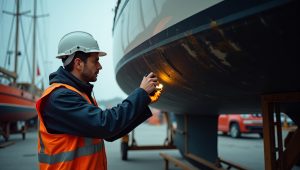
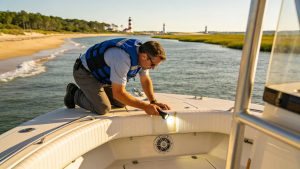
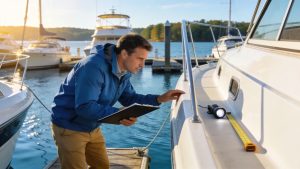
Our work as marine surveyors in North Carolina directly contributes to this practical application. A Pre-Purchase Marine Survey goes beyond cosmetic checks, delving into the structural integrity, systems, and overall condition of a vessel. This is a critical step for serious buyers, helping to identify hidden issues before they become costly problems. For instance, we frequently uncover critical issues that might otherwise go unnoticed. For more detailed information, you can review our insights on Top 7 Hidden Issues Found in Pre-Purchase Surveys on the NC Coast.
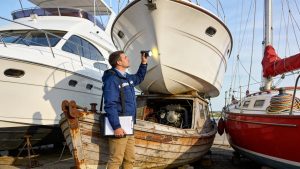
Damage assessment surveys are equally vital, providing accurate evaluations necessary for repairs and insurance claims. These surveys often involve specialized equipment to test structural integrity, ensuring that any repairs fully restore the vessel’s safety and seaworthiness. By combining expert training with meticulous surveying, we ensure that every maritime investment is protected, and every voyage is as safe as possible.
Conclusion: Ensuring Your Maritime Investment is Secure
The role of a marine safety consultant is indispensable for navigating the modern maritime industry. Their expertise is a critical investment in risk mitigation, compliance, and operational safety, protecting both assets and lives. From developing robust Safety Management Systems to conducting intricate incident investigations and guiding clients through an changing regulatory maze, these professionals provide the peace of mind that comes with informed decision-making.
The maritime landscape, particularly along the vibrant coastlines and inland waters of North Carolina, demands a thorough and professional approach. Not every vessel will meet insurance or safety standards, and not every buyer is prepared for what a thorough inspection may uncover. Our mission is to provide that clarity, ensuring that your significant investment is sound. For vessel owners in North Carolina, the principles of professional diligence and unbiased assessment are embodied in the surveying services offered by Marine Surveys of North Carolina. We are here to help you understand the true condition and compliance status of your vessel, empowering you to make confident decisions.
If you are a serious buyer, vessel owner, or insurer looking for meticulous, professional marine surveying services in North Carolina, we invite you to learn more about our commitment to excellence.