Marine Vessel Inspection Checklist for Pre-Purchase Surveys in North Carolina: Comprehensive Guide for Informed Purchases
By Andrew Gallant, Marine Surveys of North Carolina
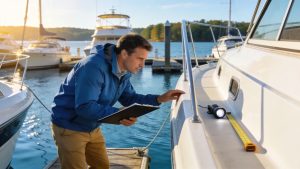
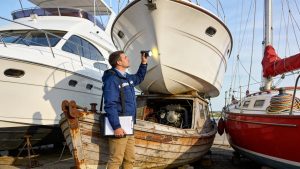
When considering buying a marine vessel in North Carolina, understanding the significance of a pre-purchase survey is crucial. A comprehensive marine vessel inspection can help identify underlying issues that may not be visible during an initial viewing. This article provides a detailed checklist for potential buyers, emphasizing the importance of these surveys, the survey process, and key considerations to make informed purchasing decisions. By exploring this topic, readers will learn about the various components involved in a marine survey, addressing common buyer concerns and providing essential insights into maintaining vessel condition over time. The guidance herein incorporates the latest standards and insights tailored for North Carolina, ensuring prospective buyers are equipped with the necessary knowledge to make safe and informed choices about their marine investments.
Importance of Pre-Purchase Surveys
Pre-purchase surveys are essential for anyone looking to buy a marine vessel, serving a critical role in assessing the overall condition of the vessel. The primary objective of these surveys is to provide an unbiased evaluation of the vessel’s condition, identifying potential issues that could lead to costly repairs after a purchase. Additionally, insurance companies typically require a pre-purchase survey before underwriting coverage, which adds another layer of importance for buyers. Conducting this due diligence helps buyers protect their investments and can ultimately save them money and stress in the long run.
The Survey Process
Understanding the marine survey process can help buyers feel more confident when it comes to their investment. The survey consists of several key steps, each aimed at evaluating different aspects of the vessel.
Key Areas of Focus
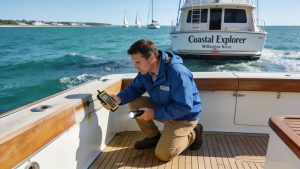
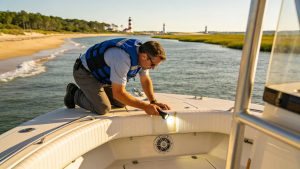
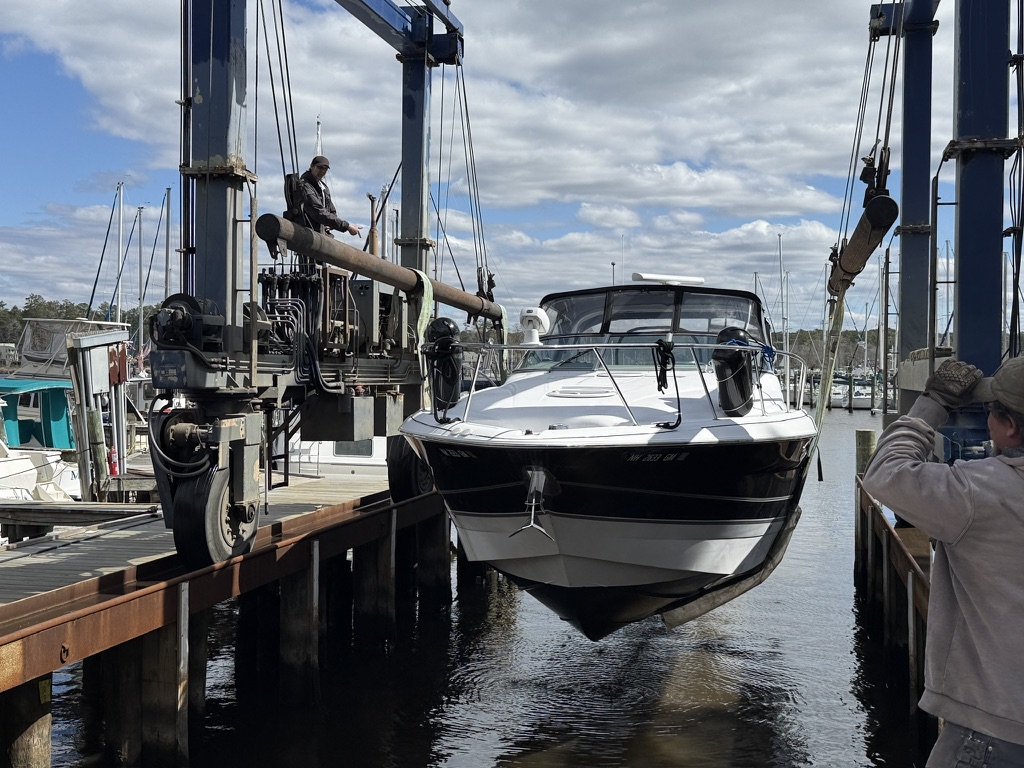
Throughout the survey process, certain areas are examined closely. These include: damage surveys.
- Hull and Structural Inspections: The surveyor checks for any signs of damage, deterioration, or wear that could compromise the vessel’s integrity.
- Mechanical and Electrical Assessments: An evaluation of the engine, transmission, and electrical systems ensures that everything is functioning correctly.
- Safety Equipment Evaluations: Safety gear must meet regulations and be in good working order to protect all passengers onboard.
These focus areas help ensure that all critical components of the vessel are assessed, providing peace of mind for buyers.
Detailed Checklist for Pre-Purchase Surveys
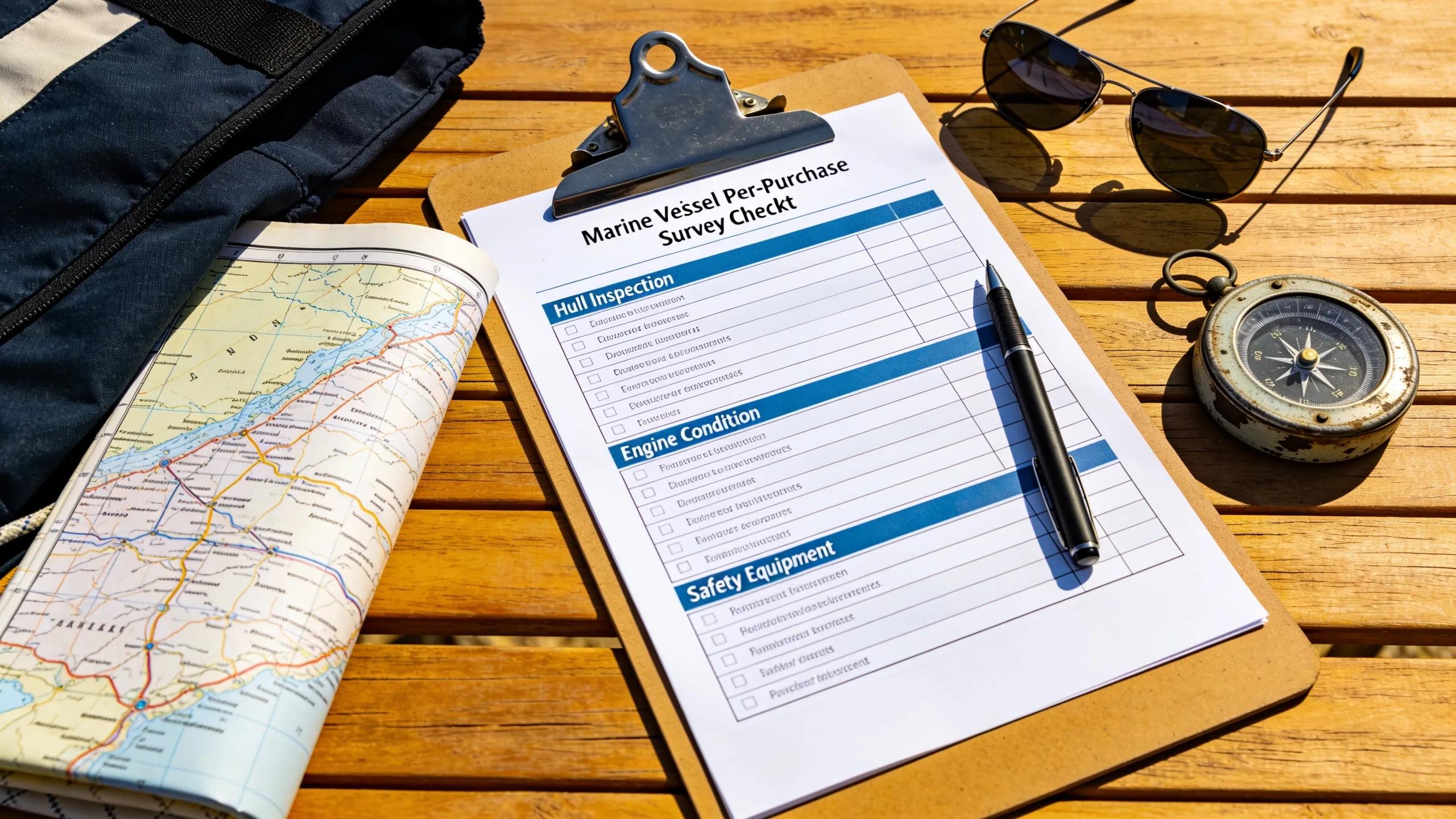
When preparing for a marine vessel purchase, having a comprehensive checklist can streamline the survey process. Below is a detailed summary of components that should be included in a pre-purchase marine survey:
This checklist provides a framework for understanding what surveyors assess during the inspection process, ensuring buyers are familiar with each critical component before making a commitment.
Important Considerations for Buyers
Selecting the right marine surveyor is paramount for a successful purchase. Buyers should look for qualified professionals who carry industry certifications and have extensive experience in the field. Understanding the survey report’s findings is crucial as well, as it can influence negotiations and ultimately, the purchase price. Buyers should leverage the findings of the survey to negotiate repairs or price adjustments before finalizing the sale.
Key Aspects to Ensure Informed Purchasing Decisions
To ensure buyers are making informed decisions, there are several key aspects to consider. First, understanding insurance requirements related to surveys helps buyers secure coverage needed for their new vessel. Additionally, budgeting for future maintenance based on the survey’s findings is essential. Identifying potential hidden issues upfront allows buyers to allocate resources effectively and avoid unexpected expenses.
The importance of engaging professional marine survey services such as Marine Surveys of North Carolina cannot be overstated. By employing experts in marine vessel inspection, buyers can ensure comprehensive evaluations, safeguarding their investment and facilitating smooth transactions.
In summary, pre-purchase marine surveys provide vital insights into a vessel’s condition, enabling informed decision-making for prospective buyers. Investing in a thorough marine survey not only protects the buyer’s interests but also supports a smoother purchasing process. For those considering a vessel purchase in North Carolina, it’s advisable to contact a qualified marine surveyor who can guide through this critical process ensuring a safe and beneficial investment.
What Does a Pre-Purchase Marine Survey in North Carolina Include?
A standard pre-purchase marine survey includes a thorough examination of the vessel’s structure, systems, and overall condition. This typically includes:
- Hull Inspection: Checking for any structural integrity issues.
- Mechanical Systems Evaluation: Ensuring all moving parts operate correctly.
- Safety Equipment Review: Verifying compliance with local regulations and safety standards.
These components work together to guarantee that the vessel meets safety and operational standards necessary for safe navigation.
Essential Checks Included in a Pre-Purchase Marine Survey
Key checks during a marine survey often consist of the following:
- Structural Soundness: Inspecting for cracks, blisters, or delamination in the hull material.
- Engine Performance: Running diagnostics on the engine under various loads.
- Electrical Systems: Testing lighting and navigation systems for proper functionality.
These essential checks ensure that buyers receive a comprehensive view of the vessel’s condition prior to purchase.
Key Considerations for Potential Buyers
When planning a vessel purchase, buyers should consider working closely with a marine surveyor to gain valuable insights. Important factors include:
- In-depth Knowledge of the Vessel: Understanding manufacturer specifications and typical issues for each vessel type.
- Transparency in the Survey Report: Clear communication of findings allows for better decision making.
- Future Maintenance Plans: Discussing maintenance with a surveyor can prepare buyers for long-term ownership responsibilities.
Marine Surveys of North Carolina emphasizes the importance of having a qualified marine surveyor to facilitate this process effectively and with expertise.
How to Use a Marine Vessel Inspection Checklist Effectively?
To maximize the effectiveness of a marine vessel inspection checklist, buyers should:
- Familiarize Themselves with the Checklist: Understand each item listed to ensure thorough scrutiny during the survey.
- Communicate with the Surveyor: Ask questions about specific aspects of the survey to clarify any concerns.
- Document Findings: Maintaining a copy of all inspection reports aids in future discussions about the vessel.
By employing these strategies, buyers can leverage the checklist to facilitate a successful vessel purchase.
What Are the Step-by-Step Procedures for Conducting a Survey?
Conducting a marine survey involves several sequential steps:
- Preparation: Gathering necessary documentation related to the vessel.
- Inspection: A comprehensive examination conducted by a certified marine surveyor.
- Reporting: Receiving a detailed report that outlines findings and recommendations.
- Decision Making: Using the report to make an informed purchasing decision based on the vessel’s condition.
Following these steps can help streamline the process and promote clarity throughout the purchasing journey.
How to Interpret Vessel Condition Reports from Surveys?
Interpreting vessel condition reports can be complex, but key elements to review include:
- Summary of Findings: A clear overview of critical repairs needed.
- Photographic Evidence: Visuals that support the surveyor’s findings.
- Recommendations: Suggested immediate or future actions regarding repairs or considerations.
Understanding these components enhances buyers’ decision-making capabilities, providing a framework for assessing the report’s implications on the purchase.
What Are the Key Standards and Compliance Requirements for Marine Surveys in North Carolina?
In North Carolina, marine surveys must adhere to the standards set forth by various regulatory bodies. Compliance requirements generally include:
- ABYC Standards: The American Boat and Yacht Council outlines safety standards that must be followed.
- Local Laws: Compliance with state regulations surrounding marine safety and navigation.
- Insurance Guidelines: Many insurers have specific requirements that need to be met during marine surveys for coverage eligibility.
Ensuring adherence to these requirements not only fulfills legal obligations but also assures buyers that their vessels meet high safety and quality standards.
Which North Carolina Maritime Regulations Impact Pre-Purchase Surveys?
Several maritime regulations exist that directly influence pre-purchase surveys in North Carolina, including:
- Inspection Protocols: Mandated inspection processes for certain vessel types to ensure compliance with state laws.
- Safety Equipment Regulations: Required safety gear must be evaluated for compliance with state and federal laws.
- Licensing Requirements: Surveyors must meet professional licensing criteria to perform inspections.
Understanding these regulations ensures that the survey process aligns with state laws and provides the necessary protections for vessel buyers.
How Do ABYC and Other Industry Standards Influence Survey Criteria?
ABYC and other industry standards heavily impact how surveys are conducted in North Carolina. Key influences include:
- Quality and Safety Regulations: Establishing benchmarks for the performance and safety of marine vessels.
- Evaluation Metrics: Providing specific criteria that surveyors must utilize to assess vessel condition effectively.
- Guidelines for Repairs and Maintenance: Outlining what is deemed acceptable in terms of repairs during the survey process.
These industry standards are essential for maintaining quality and safety in marine vessel inspections.
What Does Marine Surveyor Services in North Carolina Offer for Pre-Purchase Inspections?
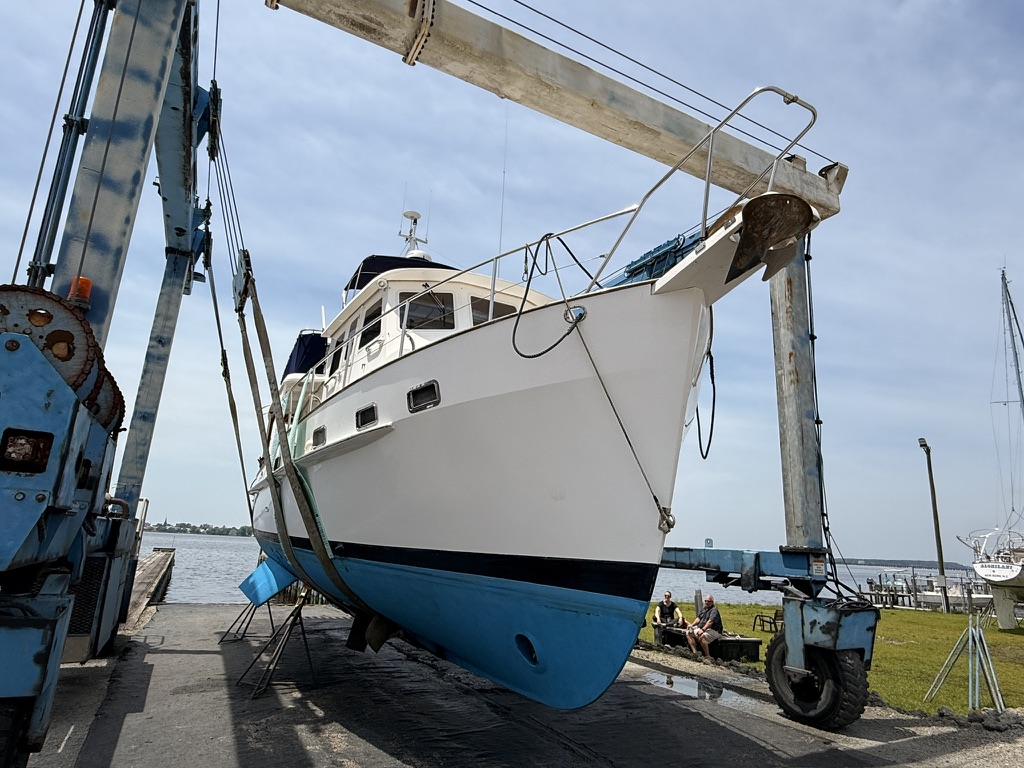
Marine surveyor services in North Carolina provide comprehensive evaluations, including:
- Detailed Inspections: Thorough assessments covering all critical vessel components.
- Expert Reports: Clear documentation of findings to assist in informed purchasing decisions.
- Follow-Up Consultations: Discussions with buyers post-inspection to address concerns and clarifications.
Engaging such services ensures that buyers receive accurate assessments and valuable insights into their potential purchases.
Why Choose Marine Surveys of North Carolina for Your Vessel Inspection?
Choosing Marine Surveys of North Carolina provides numerous advantages for prospective buyers, including:
- Industry Expertise: Extensive knowledge of local regulations and standards ensures compliance.
- Comprehensive Services: A tailored approach to each inspection focuses on buyer needs.
- Commitment to Quality: Ensuring high standards for inspections supports buyers’ peace of mind.
With specialized offerings in marine vessel inspections, Marine Surveys of North Carolina stands equipped to provide the best service for buyers seeking expert evaluations.
What Is Included in a Typical Marine Survey Report?
A typical marine survey report encompasses several essential elements, including:
- Overview of Findings: A summary highlighting critical issues with the vessel.
- Detailed Condition Assessment: In-depth analysis of each component evaluated during the survey.
- Repair Recommendations: Suggestions for immediate and future repairs to ensure the vessel’s longevity.
Understanding what to expect in a survey report enables buyers to navigate potential issues effectively.
How Much Does a Pre-Purchase Marine Survey Cost in North Carolina?
The cost of a pre-purchase marine survey varies depending on vessel type and size, generally ranging from $300 to $800. Factors influencing the price include:
- Vessel Size: Larger vessels may incur higher survey costs due to increased complexity.
- Inspection Scope: A more comprehensive survey that includes additional checks can raise costs.
- Surveyor Experience: More experienced surveyors may charge higher rates for their expertise.
Understanding these cost variables helps buyers budget for their inspections effectively.
Which Factors Affect the Price of a Marine Vessel Inspection?
Several factors can influence the pricing of marine vessel inspections, including:
- Type of Vessel: Different types of vessels require varying inspection processes and levels of expertise.
- Regional Demand: Seasonal demand for inspections can impact overall pricing.
- Market Conditions: Economic factors may lead to fluctuations in inspection costs.
Awareness of these pricing factors is essential for buyers to plan effectively when pursuing a marine vessel.
How to Evaluate the Value of a Comprehensive Marine Survey?
Evaluating the value of a comprehensive marine survey involves considering several aspects:
- Identification of Potential Issues: Recognizing problems that might affect navigation or safety.
- Financial Considerations: The survey can provide leverage during negotiations, highlighting necessary repairs.
- Peace of Mind: Assurance that the investment aligns with safety and quality standards.
These evaluations empower buyers to grasp the true worth of investing in a thorough marine survey from the outset.
What Are Common Findings and Issues Highlighted in Pre-Purchase Boat Surveys?
Pre-purchase boat surveys often uncover a variety of common issues, including:
- Structural Damage: Signs of wear and tear that require immediate attention.
- Electrical Malfunctions: Issues with wiring or battery systems that could pose hazards.
- Safety Equipment Noncompliance: Gear that fails to meet local requirements or is outdated.
Understanding these common findings provides buyers with insight into potential challenges they may face when purchasing a vessel.
What Hull and Structural Problems Are Often Discovered?
Hull and structural assessments in pre-purchase surveys frequently reveal issues such as:
- Cracks and Blisters: Damage that can compromise structural integrity over time.
- Delamination in Composite Materials: Detecting signs of separation that affects performance.
- Corrosion and Rust: Deterioration resulting from exposure to the marine environment.
Awareness of these potential problems can assist buyers in negotiating repairs before purchase.
Which Engine and System Defects Should Buyers Watch For?
During marine surveys, buyers should be vigilant about several common engine and system defects, such as:
- Failures in Engine Performance: Irregularities in operation that could signify serious technical issues.
- Cooling System Leaks: Signs of leakage that can lead to overheating and mechanical failure.
- Electrical Failures: Issues in the electrical system that could impair overall vessel functionality.
Buyers must be aware of these defect possibilities to safeguard against costly future repairs.