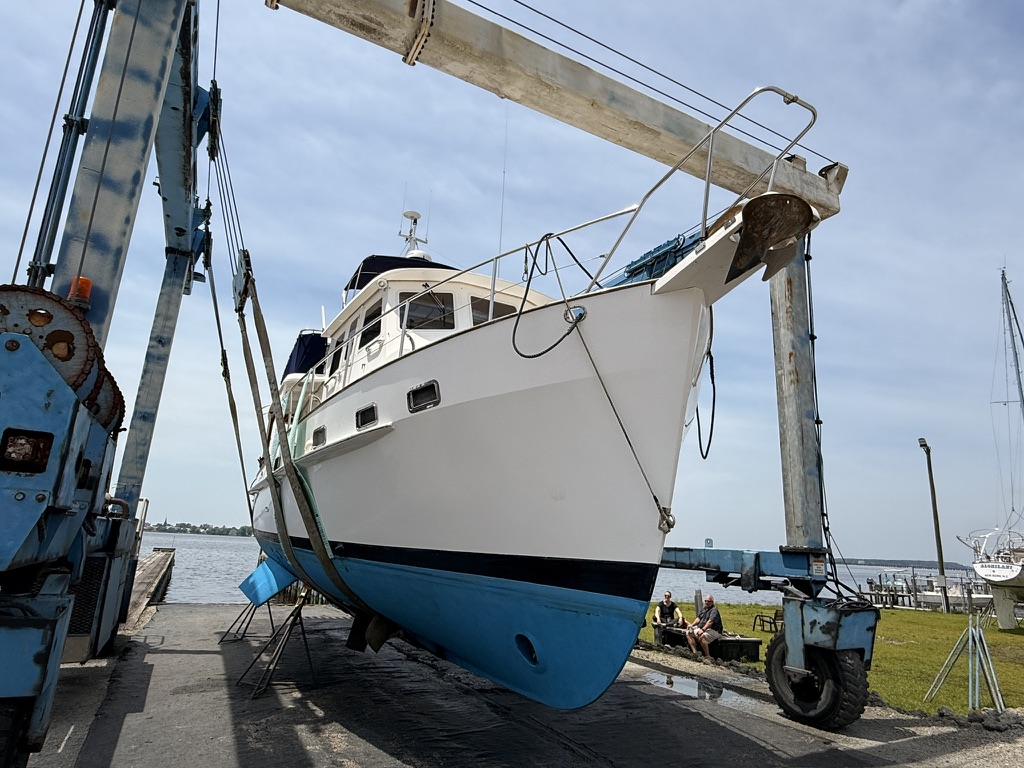
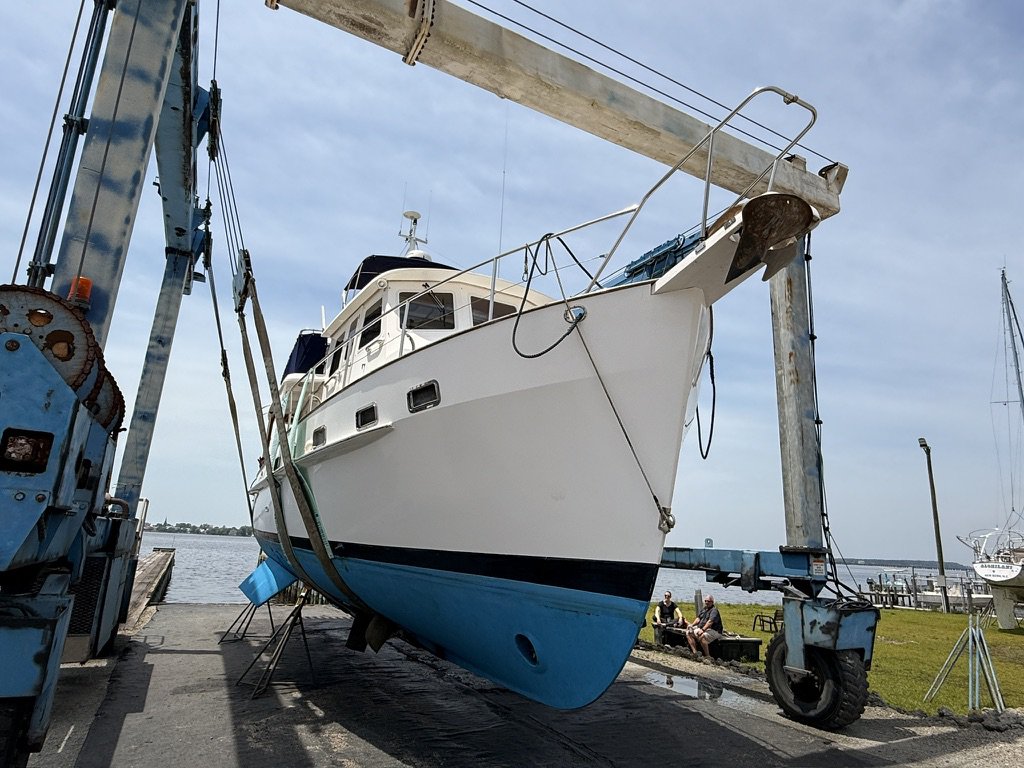
Comprehensive Vessel Inspection Tips for Pre-Purchase Marine Surveys in North Carolina: Ensuring Informed Boat Buying Decisions
By Andrew Gallant, Marine Surveys of North Carolina
Purchasing a vessel is a significant investment that requires careful consideration and thorough inspection. Understanding the nuances of marine surveys is crucial for prospective boat buyers in North Carolina, where the coastal environment can complicate vessel maintenance and integrity. This article provides comprehensive vessel inspection tips designed to enhance your pre-purchase marine survey experience, ensuring you make informed decisions.
We will delve into essential inspection techniques, critical factors to evaluate, and specific guidance for engaging certified marine surveyors. Additionally, we’ll explore the importance of marine survey reports, insurance considerations, and how to effectively address findings during negotiations. By equipping yourself with this knowledge, you can mitigate risks and secure a vessel that meets your needs.
Essential Inspection Techniques
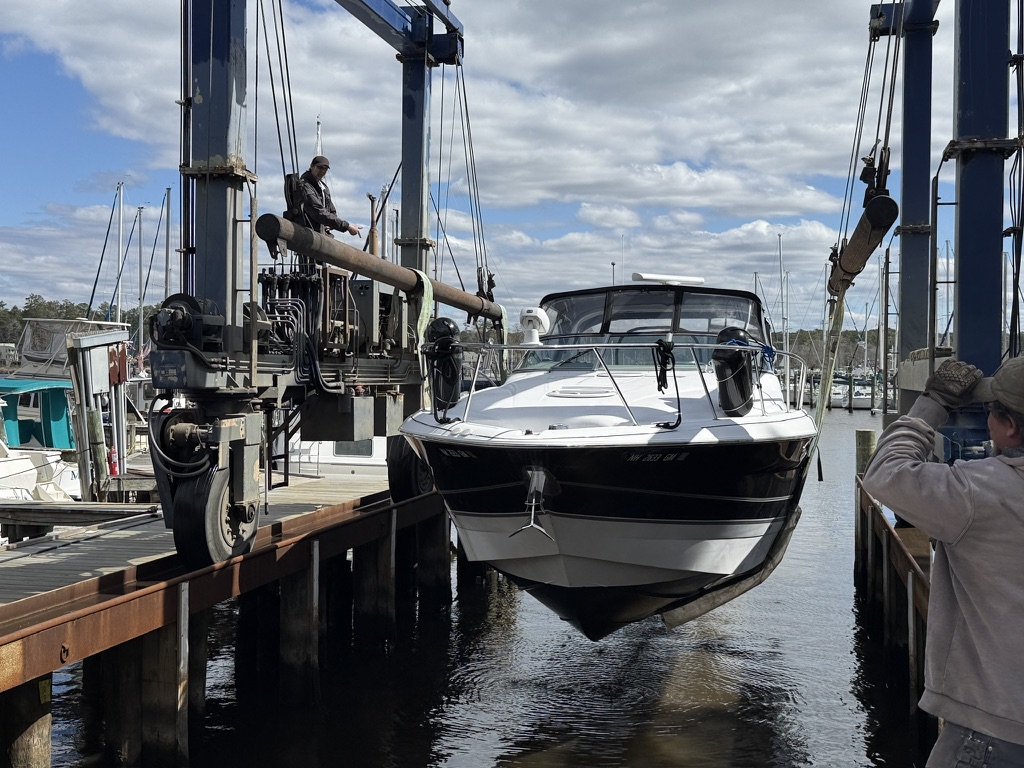
Vessel inspections are crucial for assessing a boat’s condition before purchase. Employing effective inspection techniques can significantly impact buyers’ decisions by revealing potential issues. To ensure quality assessments, here are some fundamental techniques to follow:
- Hull Inspection: Thoroughly examine the hull for signs of damage, blisters, or structural issues that could indicate costly repairs.
- Mechanical System Evaluation: Inspect engines and associated mechanical systems for wear and tear, which is essential for anticipating future maintenance needs.
- Safety Equipment Review: Check the inventory and condition of safety equipment, verifying it meets regulatory standards and best practices.
Mastering these techniques will lay the groundwork for a successful inspection, paving the way to a more informed purchase.
Critical Factors to Evaluate
When embarking on a pre-purchase marine survey, several factors should be meticulously evaluated to ensure you are making a sound investment. Key elements include:
- Structural Soundness: Ensure that the vessel’s structure is free from major repairs, which can be indicators of underlying issues.
- Future Maintenance Needs: Discuss with the surveyor potential future maintenance requirements to assess long-term ownership costs.
- Fuel Systems and Through-Hulls: Evaluate fuel systems and through-hull fittings to avoid expensive repairs or risks during operation.
To obtain expert guidance on these factors, consider reaching out to Marine Surveys of North Carolina, who specializes in comprehensive marine survey services tailored to your needs.
Advice for Making Informed Boat Buying Decisions
Making informed decisions when purchasing a boat is paramount to ensuring long-term satisfaction. One of the most critical steps involves engaging a professional marine surveyor who can provide detailed insights into vessel conditions. Key strategies for effective decision-making include:
- Understanding Manufacturer Specifications: Familiarize yourself with the vessel’s design and performance capabilities to ensure it aligns with your intended use.
- Documenting Findings: Keep comprehensive documentation of the survey findings, which will be crucial during negotiations.
- Utilizing Marine Survey Reports: Leverage the insights gained from the marine survey report to make informed offers and negotiations.
Marine Surveys of North Carolina can assist in this process, offering expert guidance at every step of the purchasing journey.
What Are the Essential Components of a Vessel Condition Checklist Before Buying?
A comprehensive vessel condition checklist is vital in pre-purchase surveys, helping to ensure that all critical areas are inspected and any potential issues are identified. Key components include:
- Structural Integrity: Assessing the hull, deck, and transom for structural issues.
- Mechanical Systems: Checking the engine, transmission, and electrical systems for functionality.
- Document Review: Ensuring all documentation, including maintenance history and compliance certificates, is in order.
How to Inspect the Hull and Structural Integrity of the Vessel
Inspecting the hull and structural integrity involves several methods, including:
- Visual Inspections: Look for any visible damage, such as cracks or blisters, that could indicate extensive repairs.
- Ultrasonic Testing: Utilize ultrasonic testing to assess the thickness and integrity of the hull, particularly in areas prone to wear.
- Documentation: Review past survey reports if available to understand previous issues or repairs.
Understanding these methods enables buyers to make informed assessments of a vessel’s condition.
What Engine and Mechanical System Checks Are Critical in NC Pre-Purchase Surveys?
In North Carolina, critical checks for engines and mechanical systems include:
- Compression Tests: Conducting compression tests to verify engine health and performance.
- Fluid Inspections: Checking oil levels and fluid conditions to identify any potential leaks or contamination.
- System Functionality Tests: Running the engine and associated systems to ensure they operate smoothly and without issues.
These evaluations contribute significantly to understanding the vessel’s reliability and long-term maintenance needs.
Which Yacht Inspection Tips Enhance Accuracy in Pre-Purchase Marine Surveys?
Enhancing accuracy in yacht inspections involves niche-specific considerations that every buyer should bear in mind:
- Documentation Best Practices: Maintain comprehensive records of all findings, including photographs and descriptions of any deficiencies.
- Evaluation of Niche-Specific Features: Pay attention to unique features that may affect value or compliance with maritime regulations.
- Coordination with Experts: Engage experts familiar with yacht requirements to ensure no detail is overlooked.
How to Evaluate Electrical and Safety Equipment During the Survey
Evaluating electrical systems involves a systematic approach:
- Visual Inspection: Check for any signs of wear, corrosion, or fraying that could indicate potential risks.
- Safety Compliance Checks: Ensure all safety equipment is present, functional, and up to date with regulatory standards.
- System Testing: Test all electrical systems under load to verify their functionality and reliability.
Properly assessing these aspects ensures that safety and usability are prioritized in your decision-making process.
What Are the Best Practices for Documenting and Reporting Findings in Survey Reports?
Effectively documenting and reporting findings during a survey is essential. Key best practices include:
- Clarity and Detail: Ensure all notes are clear and detailed to provide an accurate account of the vessel’s condition.
- Standard Reporting Formats: Utilize standard reporting formats that provide a clear structure for presenting findings.
- Incorporate Visual Evidence: Include photographs and diagrams alongside descriptions to illustrate issues effectively.
This strategic approach to documentation strengthens your negotiating position and enhances communication about what needs to be addressed.
What Insurance and Legal Considerations Should Be Integrated in Marine Survey Checklists in North Carolina?
Navigating the insurance and legal landscape for marine purchases requires careful consideration of several factors:
- Insurance Requirements: Verify the specific insurance requirements governing marine vessels, ensuring compliance to avoid penalties or complications.
- Key Legal Considerations: Understand the legal implications of vessel ownership, including registration and liability.
- Impact on Buyer Decisions: Assess how insurance and legal factors may influence your purchasing decisions, guiding negotiations accordingly.
How Do Marine Survey Reports Influence Insurance Coverage and Policy Requirements?
Marine survey reports play a critical role in shaping insurance outcomes:
- Assessment of Risk: Insurance companies often use survey findings to assess risk levels and determine coverage options.
- Policy Requirements: The report may dictate specific requirements for obtaining or maintaining coverage.
- Negotiation Leverage: Use findings as leverage during negotiations with insurers to secure the best possible terms.
These insights underscore the value of conducting a thorough marine survey when considering insurance implications.
What NC Vessel Inspection Laws and Regulations Impact Pre-Purchase Surveys?
In North Carolina, several vessel inspection laws and regulations can impact pre-purchase surveys. Key points include:
- Compliance Obligations: Understand the relevant maritime laws and ensure that all vessel conditions comply with state regulations.
- Specific Inspection Criteria: Familiarize yourself with the criteria that inspectors are required to follow under state laws.
- Impact on Survey Practices: Recognize how these laws may influence your survey practices, ensuring that all assessments meet legal standards.
Awareness of these regulations empowers buyers to make informed decisions within a legal framework.
How to Choose a Qualified Marine Surveyor for Effective Pre-Purchase Inspections in North Carolina?

Selecting a qualified marine surveyor is an essential step in the pre-purchase process. Consider the following when evaluating potential candidates:
- Qualifications and Credentials: Review the surveyor’s qualifications and relevant certifications to ensure they meet industry standards.
- Experience and Specializations: Assess the surveyor’s experience with your specific vessel type to ensure they can accurately evaluate its condition.
- Client References: Request references from previous clients to gauge their satisfaction and service quality.
Choosing a knowledgeable surveyor can significantly influence the inspection’s outcome and your overall purchasing experience.
What Credentials and Certifications Should Marine Surveyors Possess?
Marine surveyors should possess key credentials that reflect their expertise, including:
- Certified Marine Surveyor (CMS): A recognized certification demonstrating professional competence.
- Professional Affiliations: Membership in relevant maritime associations indicates ongoing education and adherence to industry standards.
- Specialized Training: Additional certifications in specific vessel types highlight a surveyor’s qualifications and depth of knowledge.
These credentials help ensure you are working with a competent professional dedicated to providing thorough inspections.
How to Verify Experience and Specializations Relevant to NC Vessel Types
Verifying the experience of marine surveyors can be achieved through several methods:
- Checking References: Speak with previous clients to understand their experiences and the surveyor’s effectiveness.
- Reviewing Past Work: Request to see examples of past surveys conducted on similar vessel types to gauge expertise.
- Looking into Specializations: Investigate whether the surveyor has experience with specific types of vessels, ensuring they can address your needs.
This diligent approach ensures you engage a qualified professional who can deliver comprehensive insights.
What Are the Typical Costs and Timeframes for Boat Pre-Purchase Inspections in North Carolina?
Understanding the costs and time involved in boat pre-purchase inspections is crucial for budgeting. Typical considerations include:
- Cost Variations: Expect costs to vary based on vessel type, size, and complexity of the systems involved.
- Average Costs: Pre-purchase marine surveys may average between $15-$30 per foot of the vessel’s length, though this can vary based on specific services rendered.
- Expected Timelines: Most standard surveys take between 4-8 hours, depending on the vessel’s complexity and the thoroughness of the inspection.
What Factors Influence the Price of a Marine Survey in NC?
Several factors can influence the price of a marine survey, including:
- Size and Type of Vessel: Larger and more complex vessels typically incur higher survey costs due to the additional time required.
- Survey Complexity: More comprehensive inspections that delve into mechanical systems and structural analyzes may result in increased fees.
- Additional Services: Optional services, such as detailed reporting and follow-up consultations, can further affect total costs.
Understanding these factors can help buyers plan accordingly and avoid unexpected expenses.
How Long Does a Standard Pre-Purchase Marine Survey Process Take?
Typically, the process for a standard pre-purchase marine survey involves:
- Initial Assessment: Expect an initial assessment phase that can take 1-2 hours depending on the vessel’s condition.
- Detailed Inspection: The detailed inspection phase usually lasts 2-4 hours, allowing for in-depth analysis of the vessel’s systems and structural integrity.
- Reporting: Follow-up reporting may take additional time, with a complete report usually delivered within 48 hours after the survey completion.
This timeframe highlights the importance of scheduling in advance to accommodate thorough inspections before final purchase agreements.
How to Utilize Marine Survey Reports to Mitigate Risks When Purchasing a Boat in North Carolina?
Marine survey reports are not merely bureaucratic documents; they serve as strategic tools for buyers. Utilizing these reports effectively requires understanding key components:
- Informing Buyer Decisions: Utilize insights garnered from the report to make informed offers, highlighting any identified issues.
- Addressing Findings: Consider the findings carefully and prepare to negotiate repairs or price adjustments based on the assessment.
- Neuancing Documentation: Leverage the report as part of your documentation to illustrate due diligence during the purchasing process.
What Key Information in Survey Reports Helps Inform Buyer Decisions?
Key information within marine survey reports that can significantly affect buyer decisions includes:
- Identified Deficiencies: Detailed accounts of any deficiencies noted during inspection allow for informed negotiation points.
- Recommendations for Repairs: Surveyor recommendations for necessary repairs provide a roadmap for immediate attention post-purchase.
- Compliance Assessments: Understanding compliance with safety and legal standards is crucial for ensuring continued vessel use without penalties.
These elements encapsulate the importance of utilizing survey reports for successful negotiations and informed decision-making.
How to Address Survey Findings Through Negotiations and Documentation
Addressing survey findings during negotiations requires a strategic approach:
- Negotiation Tactics: Prepare to present findings as leverage in discussions, offering evidence-based suggestions for price adjustments.
- Utilizing Documentation: Use the documented report to substantiate your claims regarding necessary repairs or adjustments.
- Viewing Findings as Leverage: Approach negotiations with the mindset that findings present opportunities for adjustments in offer amounts or conditions.
By effectively addressing these findings, potential buyers can better navigate negotiations and secure favorable outcomes.